In this article
Short answer: The safest Cybex travel-system decision starts with installation, not stroller attachment. Parents should confirm the child restraint, vehicle fit, base or seat-belt method, and CPST support before treating Priam, Mios, or COYA compatibility as the deciding feature.
The 2026 Platinum launch makes stroller and carry cot decisions more interesting, but the first ride home still has its own rules. A stroller can make transfers easier. A carry cot can make supervised newborn walks more comfortable. Neither one changes the basic car-seat question: can the seat be used correctly in the vehicle that will carry the child?

The Safety Sequence
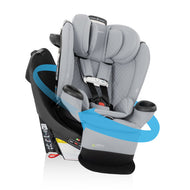
Start with the child's stage. Newborns and young babies ride rear-facing in an appropriate child restraint. Transport Canada also tells parents to check the child seat label, the vehicle manual, and the manufacturer's instructions. That is why a product such as Cybex Cloud G Pro Infant Car Seat with SensorSafe + Load Leg Base or Cybex Aton G Swivel Sensorsafe Infant Car Seat needs more than a stroller adapter check. It needs a vehicle check.
Then decide the installation method. A base may make the main vehicle easier to use every day. A seat-belt installation may matter for taxis, travel, grandparents, or a second vehicle. Lower anchors and top tether use have their own rules and limits. Parents should not combine methods unless the seat and vehicle instructions allow it.
Only after that should the family decide how the infant seat fits into the stroller routine. This is where the COYA infant-seat compatibility article and the travel-family guide become useful. They answer movement and folding questions, not the installation question by themselves.
How This Connects To Priam, Mios, And COYA
Cybex Platinum Priam 5 Luxury Stroller is usually the comfort-first stroller path. Cybex Platinum Mios 5 Stroller is the city path. Cybex Platinum Coya 2 Stroller is the travel-first path. Each one can make sense for a different family, but none of those lanes should blur the difference between a car seat transfer and a newborn strolling setup.
The carry cot path is also separate. Cybex Platinum Priam 5 Fold Lux Carry Cot and Cybex Platinum Mios 5 / Coya 2 Fold Lux Carry Cot support newborn stroller use. They do not replace a vehicle restraint. A family can reasonably choose both an infant seat and a carry cot when the weekly routine includes driving and daily walks. A family that rarely walks may put more weight on car seat installation and a stroller adapter.

When To Book A Check
Cybex promotes access to certified Child Passenger Safety Technician support, and that is worth treating as part of the purchase path when the setup feels complicated. A check is especially useful when the family is installing before the baby arrives, changing vehicles, moving from infant seat to convertible seat, or preparing for a trip where the base may not always be available.
For a parent, the value is not just reassurance. It is a clearer handoff: which belt path is being used, how tight the seat should feel at the belt path, what recline angle is acceptable, whether the handle position matters, how the carrier clicks into the base, and what to do in a second vehicle. Those details are easier to settle before a rushed appointment, airport drive, or hospital discharge.
Three Checks Before The Stroller Decision Feels Final
The first check is vehicle fit. Parents should identify the vehicle seat position, the installation method, and any vehicle manual limits before assuming the infant seat will be easy to use. This is especially important when one seat will move between two cars or when grandparents will help with pickups.
The second check is the transfer routine. Some families will click the infant seat from base to stroller several times a week. Others will use the car seat mainly in the vehicle and use a carry cot for walks. Both paths can be reasonable. The mistake is buying as though every family uses the same transfer pattern.
The third check is the growth path. A newborn setup is temporary. Parents should know when the infant seat limits, convertible car seat plan, stroller seat, and booster stages will become relevant. They do not need to buy every stage at once, but they should understand which future question is being postponed.
What The Stroller Should Not Decide
A stroller should not decide whether a child restraint fits the vehicle. It should not decide whether the parent understands the base, lower anchors, seat belt path, or tether. It should not decide whether a premature or medically fragile baby needs extra guidance. Those questions belong to the car seat manual, vehicle manual, healthcare team when relevant, and trained support.
The stroller can decide other things. It can decide whether the adult folds often, whether a carry cot makes newborn walks calmer, whether the trunk is crowded, whether the route is city-heavy or travel-heavy, and whether the family wants a full-size or compact Platinum setup. Keeping those categories separate makes the final purchase more credible.
Check the car seat in the vehicle first, then choose the stroller system that fits the family routine.
Common Family Scenarios
A condo family may want COYA because it folds small, but the car seat still has to work in the vehicle used for appointments and daycare. A suburban family may want Priam because it feels more substantial, but the infant seat still needs a clear base or seat-belt plan in each car. A travel family may want the lightest airport setup, but the airport plan does not remove the need for approved vehicle travel at the destination.
Grandparents and secondary caregivers add another layer. If a child will ride with more than one adult, each adult needs a setup they can use correctly. Sometimes that means a second base. Sometimes it means practicing baseless installation. Sometimes it means choosing a stroller setup that avoids rushed transfers when the adult is already carrying bags or helping another child.
The strongest safety plan is the one that still works on an ordinary tired day. It should be clear where the seat goes, how it is tightened, when the stroller is used, when the carry cot is used, and when a trained check would help. A premium stroller system is valuable only when the safety basics underneath it are settled.
The Reading Path
Use the full car seat installation guide for base, LATCH, seat belt, top tether, and CPST decisions. Use the Baby Must-Haves guide for the first-year buying order. Use the newborn Platinum setup guide when deciding whether the Fold Lux Carry Cot belongs in the first months.
That sequence gives a shopper a clean path: safety first, stroller second, newborn comfort third, travel convenience fourth.
FAQ: Car Seat To Stroller Safety Path
Can stroller compatibility decide the car seat?
No. Stroller compatibility is useful, but the car seat must first fit the child, the vehicle, and the allowed installation method.
When should parents use CPST support?
Use CPST support when installation feels uncertain, the vehicle fit is complex, the seat is being moved between cars, or the family wants a trained check before regular use.
Should COYA travel planning include car seat planning?
Yes. COYA folding and infant seat attachment are travel conveniences, but the car seat must still be installed correctly for vehicle travel.
What should parents read after this bridge?
Read the installation guide for vehicle setup, then read the COYA infant-seat and travel-family guides for stroller and travel decisions.
For installation-sensitive gear, follow the product manual and use a qualified installation check when needed.
Related baby enRoute reading
- What Parents Need to Know Before Buying a Car Seat in Canada: Your Ultimate Guide (and Where to Get Expert Help in BC!)
- Your Ultimate Guide to Car Seat & Stroller Warranties (for Brands like UPPAbaby, Britax, & More!)
- The Ultimate Guide to Choosing the Perfect Baby Blanket in Canada
Product details can change: Check linked product pages for current colours, pricing, availability, and compatibility. Follow manufacturer instructions and official safety guidance when those apply.