In this article
Car Seat Installation
A Complete Guide for Canadian Parents
Short answer: a Cybex car seat should be chosen and checked as an installation system: child stage, vehicle fit, approved method, base or no-base routine, common mistakes, and CPST support.
Installation Types
Start by separating rear-facing, forward-facing, and booster use: the child stage decides which rules matter. Transport Canada also frames child restraints as stages, so parents should begin with age, height, weight, and seat limits before thinking about stroller compatibility.
A car seat is not only a stroller accessory. A newborn infant seat, a convertible seat, and a booster answer different safety problems. The correct stage depends on the child's body, the restraint limits, and the vehicle position. A parent comparing Cybex products should therefore read the label, the manual, and the vehicle manual before asking whether the seat clicks onto a stroller frame.


Installation Methods
Use the car-seat and vehicle manuals to identify which installation method and components apply to your setup.

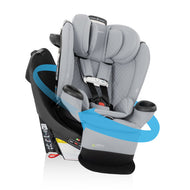
Before deciding by stroller attachment, compare Cybex Cloud G Pro Infant Car Seat with SensorSafe + Load Leg Base, Cybex Aton G Swivel Sensorsafe Infant Car Seat, and Cybex Sirona S 360 Rotating Convertible Car Seat against the actual vehicle and child stage.
Rear-Facing Installation
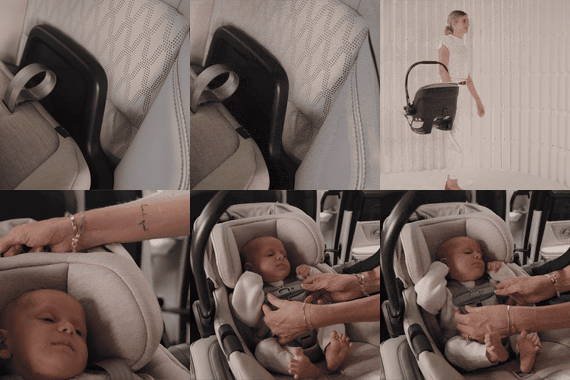
For a rear-facing installation, work through each check. Confirm the approved belt path, recline indicator, carrier click-in, handle position, harness height, chest clip placement, and movement at the belt path. Do not test tightness by pulling from the top of the carrier.
Rear-facing is also where many small details matter at once. The seat can look installed while still having the wrong recline, an unapproved belt route, a harness that starts from the wrong slot, or a carrier handle position that does not match the manual. The better workflow is slow and repeatable: install the restraint, check the indicator, lock and tighten the approved belt path, click the carrier in if a base is used, then place the child and adjust the harness. Each check is small, but together they make the setup usable every day.
- Place the seat in the approved rear-facing position and confirm the recline angle.
- Use the base, lower anchors, or seat belt exactly as the manual permits.
- Tighten at the belt path and check for no more than about one inch of movement.
- Buckle the child, remove slack from the harness, and keep the chest clip at armpit level.
Using a Car Seat Base: Do You Need It?
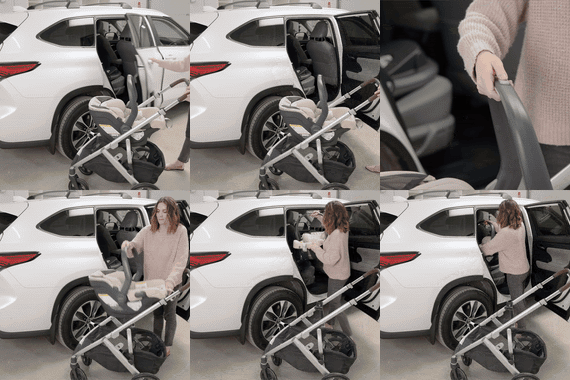
Base versus baseless installation matters when a family uses more than one vehicle, taxis, airport transfers, or grandparents' cars.


A base can make daily use faster, but it is not a shortcut around installation. Baseless routing can be useful, but only when the seat and vehicle support that method and the adult has practiced before the trip.
Common Car Seat Installation Mistakes
These common mistakes can reduce the quality of an installation.
- Using both LATCH and seat belt when the manual does not allow it.
- Using the wrong recline angle, especially for newborns.
- Forgetting or loosely attaching the top tether on a forward-facing seat.
- Leaving the installation loose at the belt path.
- Assuming center-seat or three-across use is possible without testing the actual vehicle.
The deeper mistake is choosing by convenience before checking the safety system. A rotating seat may be easier to load, but it still needs clearance beside the door, the front seat, and any neighbouring passenger. A base may make the infant carrier feel simple, but it still has to be installed tightly and at the correct angle. A seat belt installation may be ideal in one vehicle and awkward in another because belt geometry changes. Treat every move between vehicles as a fresh installation, not a transfer of confidence.
Car Seat Installation With Experts
A CPST check can help when the installation or vehicle fit is uncertain. A free virtual or trained check is especially useful before the baby arrives, after changing vehicles, before a trip, or when moving from infant seat to convertible seat.
An expert check is not only for a first-time parent. It can be valuable when grandparents will install the seat, when a family uses rideshares, when two caregivers share pickup, when a second vehicle has different anchors, or when the family is trying to fit more than one restraint across the back seat. The appointment should leave the parent able to repeat the install, tighten the harness, and explain which method is being used.
Baby enRoute Product Path
For infant-seat planning, compare Cybex Cloud G Pro Infant Car Seat with SensorSafe + Load Leg Base, Cybex Aton G Swivel Sensorsafe Infant Car Seat, and the stroller transfer context in the COYA infant-seat compatibility guide. For the next stage, compare Cybex Sirona S 360 Rotating Convertible Car Seat and test the vehicle fit before assuming a rotating seat will work beside another passenger or car seat.
Choose the car seat by child stage and vehicle installation first. Use stroller compatibility only after the base, LATCH, seat belt, tether, recline, and CPST questions are settled.
FAQ
What installation method should parents choose first?
Choose the method allowed by the car seat manual and vehicle manual. A base can be convenient, but LATCH, seat belt, and tether rules still need to be followed exactly.
Can parents use LATCH and the seat belt together?
Usually no. Unless the specific manual allows it, choose one approved installation method rather than combining methods.
When is baseless installation useful?
Baseless installation matters for taxis, travel, rideshares, and second vehicles, but parents should practice it before the trip and confirm the belt path approved for that seat.
When should parents book a CPST check?
Book a check when the installation feels uncertain, the vehicle setup is complex, the seat moves between cars, or the family wants confidence before daily use.
Can three car seats fit across?
Sometimes, but it depends on the vehicle, seat widths, belt geometry, lower anchors, and whether any rotating seat needs extra side space. Test the actual setup.
For installation-sensitive gear, follow the product manual and use a qualified installation check when needed.
Related baby enRoute reading
- What Parents Need to Know Before Buying a Car Seat in Canada: Your Ultimate Guide (and Where to Get Expert Help in BC!)
- The Ultimate Infant Car Seat Guide 2026: Safety, Features, and Fit
- Canada Travel System Guide: How to Choose a Stroller and Infant Car Seat That Actually Work Together
Product details can change: Check linked product pages for current colours, pricing, availability, and compatibility. Follow manufacturer instructions and official safety guidance when those apply.