In this article
Choosing a car seat for your newborn or transitioning to the next stage can feel overwhelming. It's one of the most critical purchases you'll make as a parent, directly impacting your child's safety on every single journey. With varying regulations and a multitude of options, understanding how to choose a car seat in Canada is crucial.
At baby enRoute in Richmond and Burnaby, we're not just a baby store; we're your partners in child passenger safety. We understand that finding the right car seat for your child's age and weight is paramount. That's why we're proud to be the first and only baby store in our community to offer car-seat checkup team members on site to help you navigate this essential decision.
Let's break down everything you need to know about car seat safety in Canada and what product-selection and car-seat checkup resources baby enRoute offers.
Navigating the Stages of Car Seat Safety in Canada
Canadian law requires children to be properly restrained in a vehicle. The type of child car seat your child needs depends on their age, weight, and height. Child passenger safety generally involves four key stages:
Stage 1: Rear-Facing Car Seats (Birth to Toddler)
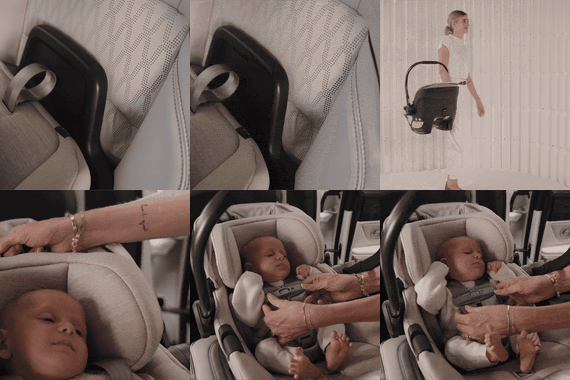
This is where your journey begins. A rear-facing car seat is the safest option for infants and young toddlers because it provides superior support for their head, neck, and spine in the event of a collision. The forces of a crash are distributed more evenly across the child's body. This is often the best car seat for newborn Canada travel.
- Key Requirement: Children must remain in a rear-facing car seat until they are at least one year of age AND weigh at least 10 kg (22 lbs).
- Best Practice: Experts recommend keeping your child rear-facing for as long as possible, within the limits of your car seat's manufacturer instructions. Many modern convertible car seats allow children to remain rear-facing much longer, often up to 18-22 kg (40-50 lbs) or more, providing enhanced infant car seat safety and toddler car seat safety. This extended rear-facing time is a crucial aspect of rear-facing car seat safety in Canada.
- Important Note: A rear-facing infant car seat should never be placed in front of an active airbag. Proper infant car seat installation in Canada is critical for safety.
Stage 2: Forward-Facing Car Seats (Toddler/Preschool)
Once your child has outgrown the rear-facing limits of their seat, they can transition to a forward-facing car seat with a 5-point harness. This seat helps spread crash forces over the strongest parts of your child's body. Understanding forward-facing car seat requirements BC parents need to follow is key.
- Key Requirement: Children may use a forward-facing seat once they are over one year old and weigh at least 10 kg (22 lbs) and have outgrown their rear-facing seat. This helps guide you on when to switch to a forward-facing car seat in Canada.
- Important: Always use the tether strap for forward-facing car seats. Canadian law requires the tether strap to be attached on all forward-facing car seats. This strap prevents the top of the car seat from moving forward in a crash. When looking for the best harnessed car seat Canada offers, check whether this feature is included.
Stage 3: Booster Seats (School-Aged Children)
A booster seat raises the child so the vehicle belt can be positioned low across the hips and across the chest and shoulder, following the booster and vehicle instructions. Knowing the booster seat laws BC has in place is essential for compliance.
- Key Requirement: Children need a booster seat once they weigh at least 18 kg (40 lbs) and have outgrown their forward-facing harnessed seat.
- Transition Age: They should remain in a booster seat until they are at least 9 years old OR have reached a height of 145 cm (4'9"). This guidance helps answer when can a child use a booster seat in Canada and clarifies booster seat height and weight requirements. Many parents search for the best booster seat for a 9 year old Canada when their child reaches this stage.
- Types: You can choose between a high-back booster seat (which offers head and neck support) or a backless booster seat (if your vehicle seat provides adequate head support).
Stage 4: Seat Belts (When They've Outgrown the Booster)
Finally, children transition to using the vehicle's seat belt alone when they meet the height and fit requirements. This stage helps determine when a child can use a seat belt alone in Canada.
- Key Requirement: The vehicle seat belt should only be used alone when your child is at least 9 years old AND 145 cm (4'9") tall, and the seat belt fits properly (lap belt low on hips, shoulder belt across chest and shoulder). Use the seat belt fit test for kids to verify proper fit.
- Back Seat Rule: It is recommended that all children 12 years and under should always ride in the back seat, as it's the safest location in a vehicle.
Key Considerations When Buying a Car Seat in Canada
Beyond understanding the stages, here are vital points when making your purchase:
- The National Safety Mark: This is non-negotiable! Only buy a car seat in Canada that bears the National Safety Mark label. This circular sticker signifies that the car seat meets Canada Motor Vehicle Safety Standards (CMVSS) and is legal for use in Canada. Car seats purchased outside Canada (e.g., from the US or online non-Canadian retailers) do NOT meet Canadian standards and are illegal to use here.
- Check Expiry Dates: Car seats have an expiry date, usually 6-10 years from the date of manufacture. Do not use an expired car seat, as materials can degrade over time, compromising safety. Always check the label on the seat or in the manual.
- Never Buy Used (Unless You Know Its History): It's strongly advised against buying used car seats unless you are absolutely certain of its history, including no involvement in any collisions. Even minor collisions can compromise a seat's integrity.
- Read the Manuals: Read both your car seat's instruction manual AND your vehicle owner's manual. They contain critical information on proper installation and use specific to your seat and car.
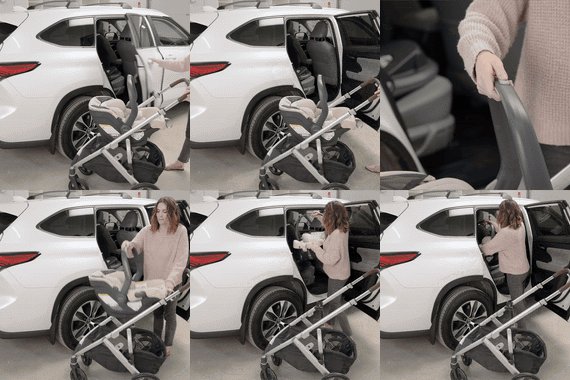
- Fit in Your Vehicle: Not all car seats fit well in all vehicles. If possible, try the car seat in your car before purchasing. A properly installed seat should move no more than 2.5 cm (1 inch) at the belt path.
- Proper Harnessing: Follow the car-seat instructions when tightening the harness and positioning the chest clip. This is key for overall child car seat effectiveness.
Car-seat checkup appointments at baby enRoute
Enjoy lifetime free car seat installation and check-ups when you purchase your car seat at baby enRoute. For car seats purchased elsewhere, a C$50 fee applies. Available by appointment at our Richmond and Burnaby stores. The appointment is a guided review of product features and the setup steps in your car-seat and vehicle manuals; it is not a substitute for either manual or for advice from a qualified child-passenger-safety professional.
Book a car-seat checkup appointment. Confirm current availability and terms on the booking page.