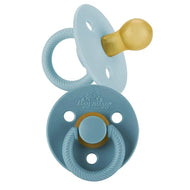

Regular price
From $11.99 CAD
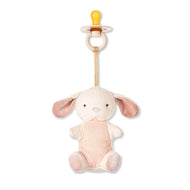
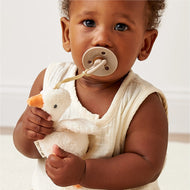
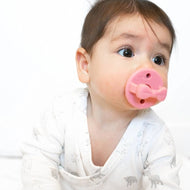
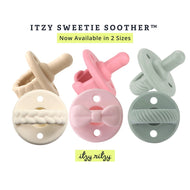
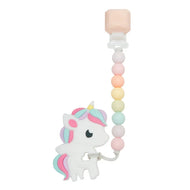
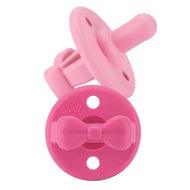
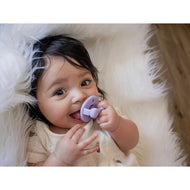
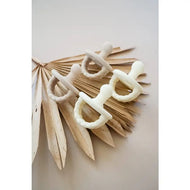
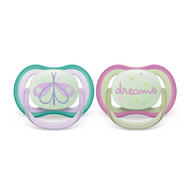
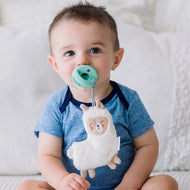
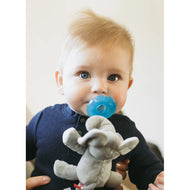
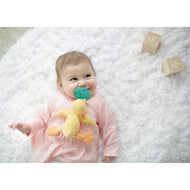
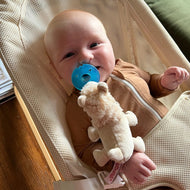
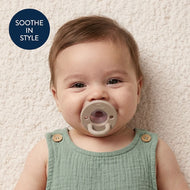
Itzy Ritzy Itzy Soother Natural Rubber Pacifier Sets (0 - 6M)
ITZY RITZY
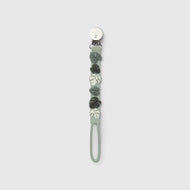
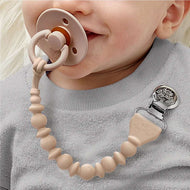
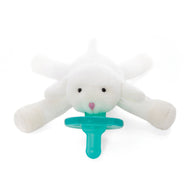
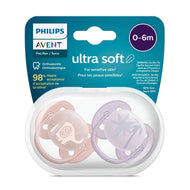
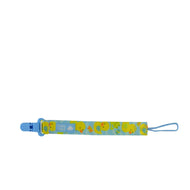
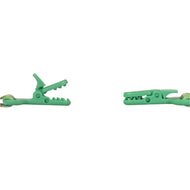
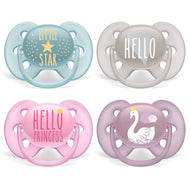
Compare pacifiers from Philips Avent, Itzy Ritzy and other brands by their age label, nipple shape and care instructions. Pacifiers, clips and storage cases have different uses; check the contents of each set.
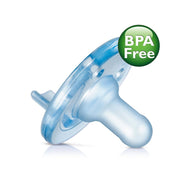
Check whether the nipple is silicone or natural rubber latex, and compare the shape and construction of the specific pacifier. Follow its cleaning and replacement instructions. Inspect even one-piece designs for wear, damage or changes in texture.
Compare shield size, shape and ventilation openings alongside the age recommendation. Check that the nipple, ring and handle remain securely attached, and discard a pacifier showing signs of wear or damage.
Q: When should I replace a pacifier?
Follow the manufacturer's replacement interval and inspect it regularly. Replace a damaged, torn or deteriorated pacifier immediately rather than waiting for the scheduled change.
Q: How do I choose between nipple shapes?
Compare the shape, material and labelled age range. An orthodontic label does not tell you which pacifier your baby will accept; ask your dental or healthcare professional about individual oral-development concerns.
We are a premium maternity and baby store focused on enhancing the parenting journey. We offer expert advice and a curated selection of products designed to support and inspire families at every stage.
Big questions. Small details. We’re here for both.
A little guidance