In this article
Your baby's first Canadian winter depends a lot on where you live. In Metro Vancouver, winter is mostly cold rain, so the job is keeping your baby dry. In Ottawa, the average January day is around −10 °C, and the job is keeping hands, feet and faces warm. Either way, four things are worth sorting out before the cold arrives: a car seat that's legal in Canada, layers instead of one big coat, a plan for dry indoor air, and knowing where to call for health advice in your language.
Vancouver or Ottawa: what changes
| Metro Vancouver | Ottawa | |
|---|---|---|
| Typical winter | Wet, usually just above freezing, with the odd snowfall | Snow on the ground for months; average January lows near −14 °C |
| Main job | Staying dry | Staying warm, especially hands, feet and face |
| Outer layer | Waterproof layer over warm clothes | Insulated snowsuit for toddlers; bunting bag or footmuff for babies in the stroller |
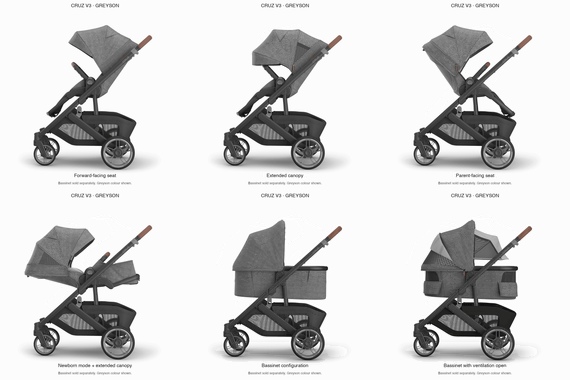
| Stroller | A rain cover that fits your model | A footmuff, and wheels and brakes that cope with snow and salt |
| Feet | Waterproof boots once your child walks | Insulated winter boots once your child walks; booties that stay on before that |
1. Check your car seat before the first snowfall
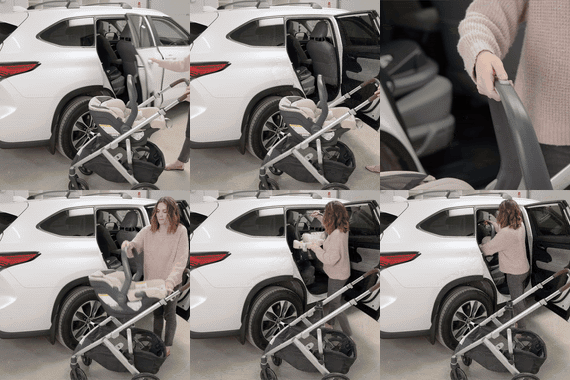
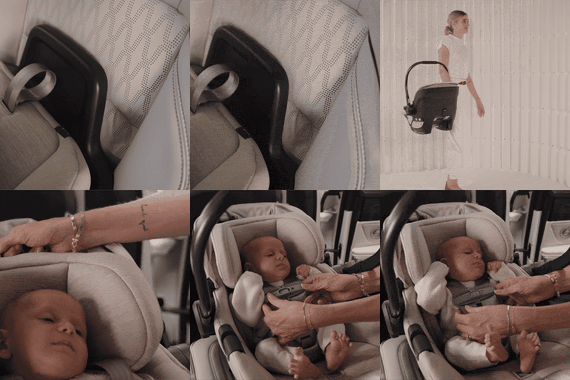
If you brought a car seat from another country, check its labels before you use it here. Transport Canada says it's illegal to import, sell or use a child car seat in Canada that doesn't have the Canadian National Safety Mark. That's true even if the brand is sold in Canada too: seats made for another country's market normally don't meet Canadian requirements and can't be modified to meet them. Using one may also break your province's traffic laws.
The second winter rule is about coats. Puffy coats and snowsuits squash down in a crash, which leaves the harness too loose to hold your child. Dress your baby in thinner layers for the car, buckle them in and tighten the harness, then put a blanket or their coat over the top. Our guide to car seats and winter coats shows how to check the fit.
Want someone to look at your installation? Our BCAA-trained car seat installers do checks by appointment at our Richmond and Burnaby stores. It's free for seats bought from us and C$50 for seats bought elsewhere.
2. Dress in layers, not one big coat
The Canadian Paediatric Society suggests dressing a baby in one more layer than you're wearing. Layers let you add or remove warmth as you go in and out of stores, buses and cars, which one thick coat can't do.
- A hat that covers the ears and mittens. For babies, mittens without thumbs are easier to get on, like the XS size of the Jan & Jul Waterproof Mittens.
- A neck warmer instead of a scarf. A scarf can get caught or pulled tight.
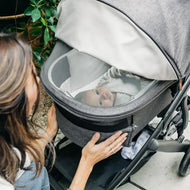
- A snowsuit for toddlers who play outside. For babies who ride in a car seat, stroller or carrier, a bunting bag, footmuff or carrier cover usually works better. Our guide to snowsuits, bunting bags and footmuffs explains which suits which situation. For walking toddlers, the Jan & Jul Insulated Snowsuit comes in 12 to 24 months.
- Know when to stay in. The Canadian Paediatric Society suggests keeping children indoors when the temperature or wind chill is −27 °C or colder. That's rare in Vancouver but happens most winters in Ottawa.
For step-by-step outfits, see how to dress a baby for a winter stroller walk. If you carry your baby, don't zip your own coat around them. Our guide to babywearing in winter explains why and what to use instead. For feet, booties that stay on are enough until your child is walking outside.
3. Get the stroller ready
- In Vancouver: a rain cover is the most useful winter add-on. Make sure it's made for your stroller. Our rain cover compatibility guide helps you check.
- In Ottawa: a footmuff stays put where blankets slide off. Road salt and slush are hard on wheels and brakes, so rinse and dry them regularly. Our winter stroller care guide covers what to do.
4. At home: dry air and safe sleep
Indoor heating dries the air, sometimes a lot. Health Canada suggests keeping indoor humidity between 30% and 50%. A cheap hygrometer tells you where you are. If you decide on a humidifier, choose cool mist and clean it every day. Our guide to cool-mist and warm-mist humidifiers explains why.
For sleep, Health Canada recommends a crib, cradle or bassinet with a firm mattress and a fitted sheet, and no quilts, pillows or bumper pads. That can feel cold if you're used to a warmer climate or heavier bedding. A sleep sack keeps your baby warm without loose blankets. Our sleep sack TOG guide matches the TOG rating to your room temperature.
5. Health basics for the first winter
- Vitamin D. Health Canada recommends a daily 400 IU vitamin D supplement, as liquid drops, for babies who are breastfed or partly breastfed, starting from birth. Babies fed only formula don't need one, because formula already contains vitamin D. Ask your doctor or pharmacist which product to use.
- Free nurse advice, 24/7. In BC, call 8-1-1 to reach HealthLink BC. Interpreters are available in more than 130 languages: say the language you need when you call. In Ontario, call or chat with Health811, which also offers translation support.
- Emergencies. If your baby is struggling to breathe or you think it's an emergency, call 9-1-1.
6. If you'll drive outside the city
From October 1, winter tires are required on many BC highways, including the Sea to Sky, highways in the Interior and parts of Vancouver Island. They need the M+S or mountain-and-snowflake symbol and at least 3.5 mm of tread. Follow the highway signs and check DriveBC before a trip. And keep the car seat rule above in mind on long drives: no puffy coats under the harness, even if the car is cold when you set off.
What can wait
- A snowsuit for a newborn. If your baby mostly rides in the car seat, stroller or carrier, a footmuff or carrier cover is often more useful, and it doesn't get in the way of the harness.
- Winter boots before walking. Babies learn to walk best barefoot. Soft booties that stay on are enough for the stroller and carrier.
- Next winter's sizes. Babies grow fast. Buy for this winter, and check sleeve and leg length with the layers they'll wear underneath.
Want help putting a winter kit together? Call our Richmond, Burnaby or Ottawa store ahead of your visit and we'll let you know what we have on hand. For a car seat check, book an appointment at Richmond or Burnaby.
Car seat section reviewed by Neo W., BCAA-certified Child Passenger Safety Educator at baby enRoute.