In this article
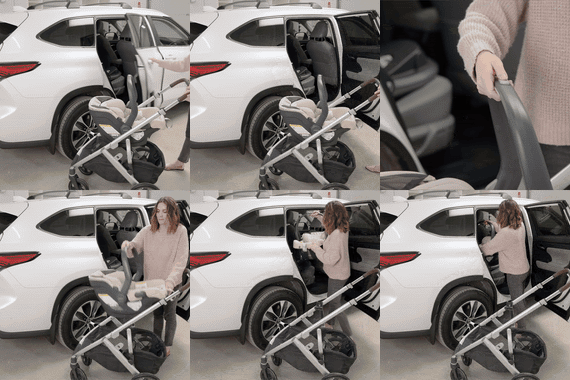
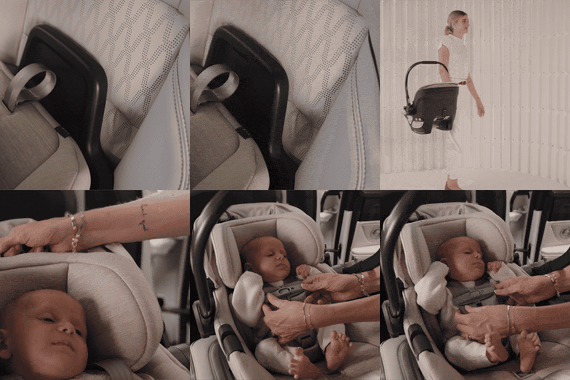
A car seat check is an appointment at our Richmond or Burnaby store where we install your car seat in your vehicle, or check one you've already installed, adjust what needs adjusting, and walk you through how to use it. It's free for seats bought at baby enRoute, for as long as you have the seat, and $50 for seats bought elsewhere. Call the store to book. Our Ottawa store doesn't offer car seat checks.
What it costs
| Your seat | Cost |
|---|---|
| Bought at baby enRoute | Free installation and check-ups for the life of the seat |
| Bought elsewhere | $50 |
Details are on our car seat checkup page.
When to book one
- A few weeks before your due date, so the infant seat or base is in the car before you need it.
- When your child moves to a new seat or stage, such as from an infant seat to a convertible seat, or from rear-facing to forward-facing.
- When you change vehicles, because anchor positions and seat shapes differ, even between models of the same car.
- Whenever something doesn't feel right, such as a seat that moves more than it used to or a harness that's hard to tighten.
After a crash, the question is usually whether to replace the seat rather than check it. Our guide to car seat replacement after a crash in BC explains what ICBC covers.
What to bring
- Your vehicle, since the seat is checked where your child will ride.
- The car seat and its manual, plus the base if it's an infant seat.
- Your vehicle's owner's manual, which shows where the UAS anchors and tether anchors are and any limits for your seating positions.
- Your child, if they're born, so the harness can be fitted to them, not just the seat.
When you book, ask how long to allow, especially if you're bringing more than one seat.
What gets checked
A check works through the points in your seat's manual and the Canadian rules for each stage. That usually includes:
- Whether the seat suits your child's current height and weight, and is in the right direction for their stage
- The labels: the National Safety Mark and the expiry date
- The recline angle, for rear-facing seats
- How tight the installation is, with UAS or the seat belt
- The tether strap, which must be used for a forward-facing seat with a harness
- Load legs or anti-rebound bars, if your seat has them
- Harness height, snugness and chest clip position
If any of these terms are new to you, our car seat terms guide explains them.
Before you come: three quick checks
- Find the expiry date. Our car seat expiry guide shows where to look.
- Look for the National Safety Mark. Seats bought in the US don't have it. Here's why that matters.
- If the seat is second-hand, make sure you know its full history. Our used car seat guide covers what you can and can't check.
Book a check
Call our Richmond or Burnaby store to book a car seat check. If you're still choosing a seat, ask which models we have on display when you call, or browse our car seats online.
Neo W. is a BCAA-certified Child Passenger Safety Educator at baby enRoute (BCAA CPS Educator II Course).