In this article
If your child's car seat was in a crash in BC, ICBC may pay for a replacement. You qualify if you have ICBC Collision, Comprehensive or Specified Perils coverage, if another ICBC-insured driver was wholly or partly at fault, or if it was a verified hit and run in BC. You have two years from the date of the damage to apply. With a receipt, ICBC reimburses what you paid; without one, there are other ways to claim.
First: does the seat need replacing?
ICBC says a car seat or booster seat should be replaced after a moderate or severe crash. After a minor crash, check the manufacturer's manual. Some manufacturers say to replace the seat after any crash, while others allow continued use after a minor one, and each defines "minor" in its own way. If the manual isn't clear, call the manufacturer with the model number and date of manufacture from the seat's label.
A crashed seat can look perfectly fine. Don't decide based on how it looks.
Who qualifies for ICBC reimbursement
You can apply if one of these applies to your crash:
- You have ICBC Collision, Comprehensive or Specified Perils coverage.
- Another ICBC-insured driver was wholly or partly responsible.
- It was a verified hit and run in BC, and you don't have hit and run coverage through a private insurer.
Apply within two years of the date the seat was damaged.
How to claim
- Find your receipt for the damaged seat, or keep the receipt when you buy the replacement.
- Submit it online through ICBC's claims service by uploading a photo or scan. ICBC offers a PDF form only for people who can't use the online service.
- Choose direct deposit if you can. ICBC says it's faster, and payment usually arrives within 30 calendar days unless they need more information.
ICBC doesn't reimburse shipping or installation costs.
No receipt for the old seat?
You may still qualify in one of two ways:
- Use the receipt for your replacement seat. It needs to be a similar make and model to the one that was damaged.
- Take a set amount based on the type of seat. ICBC lists these amounts, plus tax:
| Type of seat | ICBC set amount |
|---|---|
| No-back booster | $42 |
| Belt-positioning (high-back) booster | $70 |
| 2-in-1 booster | $135 |
| Rear-facing infant seat | $175 |
| Convertible seat | $185 |
| 3-in-1 convertible seat | $195 |
These amounts can change, so check ICBC's fee allowance page before you claim. If your seat cost more than the set amount, it's worth tracking down the original receipt or keeping the receipt for the replacement.
What to do with the damaged seat
Don't reuse it, sell it or give it away. ICBC says to cut the harness straps so no one else can use it, then dispose of it through your local waste services. ICBC doesn't take damaged seats.
Before you get rid of it, take a photo of the labels showing the model and date of manufacture. It makes choosing a similar replacement easier.
Choosing and installing the replacement
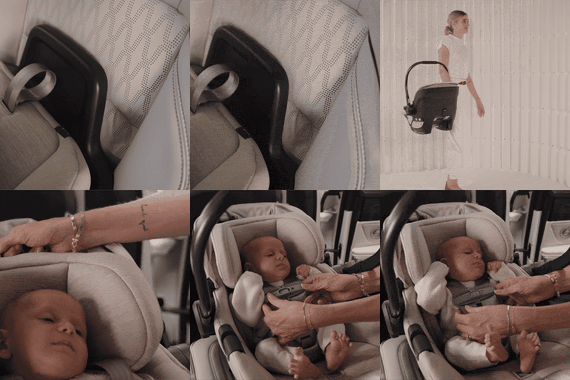
Use the crash as a chance to check that the replacement suits your child's current height and weight, not just the stage they were at when you bought the first seat. Make sure it's a Canadian seat with the National Safety Mark, which we explain in our guide to US car seats in Canada, and check its expiry date. Our guide to car seat expiry shows where to find it.
You can browse our car seats online. We also offer car seat installation and check-ups by appointment at our Richmond and Burnaby stores, free for seats bought from us and $50 for other seats. Call ahead to book, and to ask which seats we have on display.
Outside BC, ask your own insurer whether your policy covers a replacement seat after a crash.
Neo W. is a BCAA-certified Child Passenger Safety Educator at baby enRoute (BCAA CPS Educator II Course).