In this article
A smaller registry covers known first-week needs and leaves preference-sensitive purchases until the routine is visible. Buy the sleep space and transport equipment required from day one, keep clothing and diaper quantities modest, and use small trials for bottles or other fit-dependent gear. Waiting is not being unprepared; it prevents a room full of duplicates chosen before the family knows what works.
Sort every item into one of three lanes
| Lane | Use it when | Typical examples |
|---|---|---|
| Ready before arrival | A known first-week event needs it and safe improvisation is difficult | Regulated sleep space, fitted sheet, vehicle-appropriate car seat, basic diapers and clothes |
| Small trial | The category may be needed soon, but fit or preference is unknown | A few bottles and nipples, limited swaddles or sleepwear, carrier after fit check |
| Wait | The right product depends on a later stage, room routine or repeated preference | High chair, large toy system, several soothing seats, specialized feeding appliances |
Ready: one Canadian sleep space
Health Canada identifies a crib, cradle or bassinet that meets current Canadian regulations as the infant sleep space. It should have a firm, flat mattress and fitted sheet and remain free of pillows, bumper pads, loose bedding, toys, loungers and positioners.
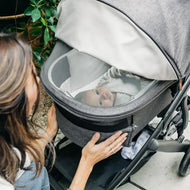
Choose between a crib and bassinet by the room, assembly, product label and move-on milestone. Health Canada says a bassinet should no longer be used once the baby can roll over or reaches its stated limit. A crib generally covers a longer range, while a bassinet can place a smaller sleep space near the caregiver for the earliest stage.
Register for the matching fitted sheet and any parts required by the manufacturer, not a decorative bedding bundle. Record who will assemble the product and where the instructions will be stored. If a bassinet comes first, name the next crib plan before the transition arrives.
Ready: transport for the first trip
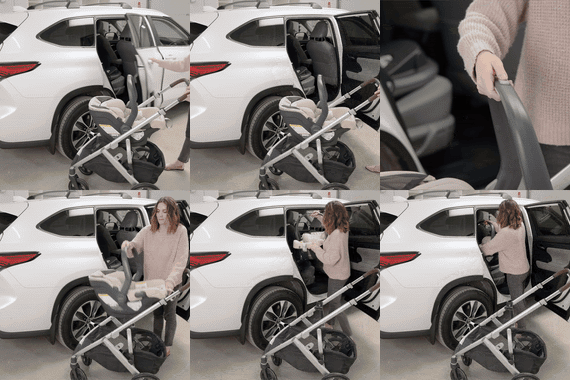
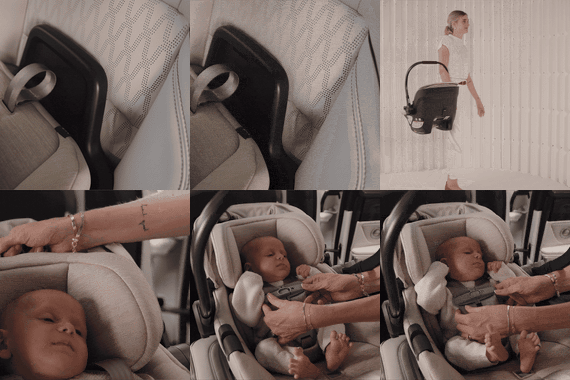
If the baby will travel in a vehicle, select an infant car seat or another rear-facing seat appropriate to the child's size, the vehicle and the caregiver's installation plan. Transport Canada recommends checking vehicle fit before buying when possible and moving through car-seat stages according to the seat and child, not a marketing bundle.
Stroller compatibility, an included base and a premium label do not prove vehicle fit. Arrange installation practice before the first trip and make sure every regular caregiver can tighten and release the harness.
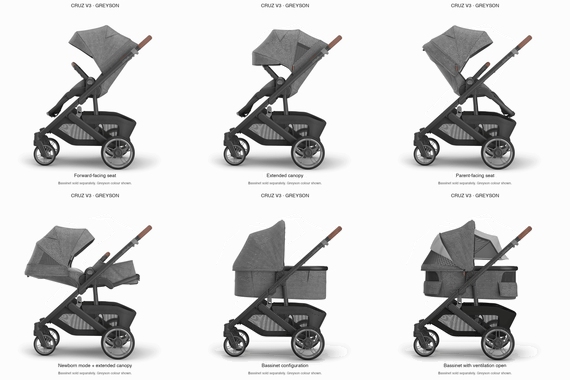
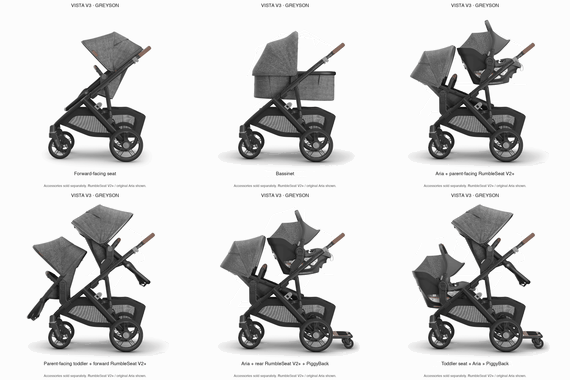
A stroller belongs in the ready lane when walking, transit or a car-free routine requires one immediately. Otherwise it can wait until doorways, stairs, vehicle storage and regular terrain are known. Measure the narrowest doorway and storage space before choosing by folded dimensions alone.
Trial: bottles, nipples and pumping parts
Use the feeding plan discussed with the family's care team, then keep the first container purchase modest. A small bottle-feeding trial lets the household learn nipple acceptance, feed volume, pump connection and cleaning capacity before standardizing on a large set.
If pumping is required from the beginning because of a care plan, rental timing or return-to-work date, have the motor and the correct complete kit ready. Keep shields, valves, collection containers and storage parts tied to exact model names; accessories that share a logo are not automatically compatible.
For a less defined plan, a gift card or contribution gives the family room to choose after early feeding experience. It is more flexible than a cupboard of sealed bottles whose return period ends before they can be tried.
Ready in modest quantities: clothing and diapering
Register enough sleepers and bodysuits to cover the expected laundry interval, with a small size range rather than a newborn-only wardrobe. Consider season, indoor temperature and closure style. Keep gift receipts attached because size and caregiver preferences can change quickly.
For diapering essentials, start with a practical trial quantity, wipes or cleaning method, a wipeable mat and a disposal plan. One reachable change station often does more useful work than several identical caddies. Bulk diaper sizes can wait until fit and skin response are known.
Wait for products that solve a later stage
- High chair: wait until the room layout and the child's independent-sitting readiness are clearer.
- Bouncer or swing: buy for a specific supervised awake-time routine, never as a substitute for the sleep space.
- Large toy sets: let age labels, storage and the child's play pattern guide the later choice.
- Baby monitor: map the home, placement, cords and desired audio/video architecture before choosing a system.
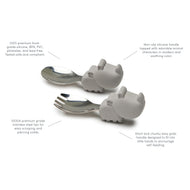
- Food makers and warmers: wait for the actual feeding and kitchen workflow unless a known plan needs them sooner.
Build the arrival plan from known events
- List known sleep, vehicle, feeding, changing, laundry and appointment events.
- Name one safe, workable product or method for each event.
- Record who sets it up and where it is stored, washed, charged or refilled.
- Remove duplicates that have no separate room, caregiver or travel job.
- Move fit- and preference-sensitive products into the small-trial lane.
- Move later-stage products to a trigger list instead of keeping them on the immediate registry.
Make gifts support the sequence
Use registry notes to explain why an item is delayed and welcome a contribution toward the later exact choice. A group gift should not lock the family into an unverified stroller, car seat, monitor or feeding system. For an uncertain giver, a gift card keeps the generosity while preserving fit and timing.
Store receipts and return information with the registry record, not inside unopened gear. Before accepting a bundle discount, count the parts the household is likely to use, where they will be stored and whether the relevant stage begins before the return window closes.
When is the registry complete?
Stop adding when every known first-week event has a safe, workable answer and the remaining products depend on an unknown preference, size, stage or home routine. Keep those later decisions on a short list with their trigger: “buy high chair when sitting and room layout are clear” is more useful than choosing one six months early.
A smaller registry should still be specific. The sleep product needs its exact sheet, the car seat needs a vehicle plan, the feeding trial needs a cleaning route and the diaper station needs supplies within reach. Completeness comes from connected routines, not the number of boxes.