In this article
A footmuff should be chosen as part of a stroller seat system. Start with the exact stroller, harness openings and child stage, then decide how much removable insulation and weather protection your repeated outing actually requires.
Fit comes before warmth
Confirm that the maker lists the stroller or provides a clearly documented universal fit. Route every harness strap through the intended openings without twisting, padding over the buckle or changing the manufacturer’s harness path. Check that the footmuff does not interfere with recline, folding, brake access or the child’s face.
Bugaboo’s Canadian comparison is specific. Its standard footmuff is positioned for milder seasons, while the performance winter footmuff adds a removable down insert. The maker lists both for Bugaboo strollers except the Ant and says the performance version is for stroller-seat use from about six months. Compare the standard Bugaboo Footmuff and Performance Winter Footmuff at baby enRoute.
| Question | Standard design may fit | Winter/performance design may fit |
|---|---|---|
| Exposure | Shorter outings in cool, changeable weather. | Longer repeated outings in colder, windy or wet conditions. |
| Layer control | A simpler cover works with the child’s normal clothing. | A removable insert lets the setup change across conditions. |
| Laundry | Fast turnaround is more important than maximum layers. | You can follow separate insert and shell care and dry both fully. |
| Storage | Compact off-season storage matters. | Extra bulk has a dedicated dry storage place. |
Use a repeatable dressing check
- Dress the child for the forecast and stroller exposure, not for the heated destination.
- Buckle the harness directly through the approved openings and tighten it according to the stroller manual.
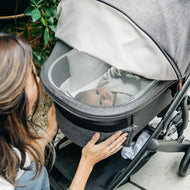
- Close the footmuff only to the intended height, leaving the child’s face uncovered.
- Check the child regularly and adjust clothing or the footmuff as conditions and activity change.
- Remove wet layers at the destination and dry the footmuff according to its care label.
Many footmuffs publish materials, compatibility and layer features without a temperature rating. In that case, compare construction and adjust the child’s clothing and the footmuff as conditions change; do not treat “winter” as a numeric comfort guarantee. Wind, precipitation and outing length also change the decision.
Test the whole seat
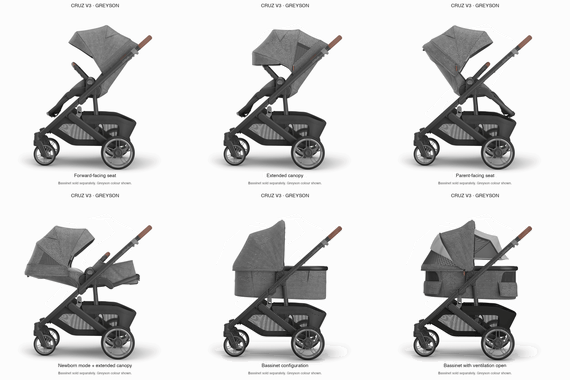
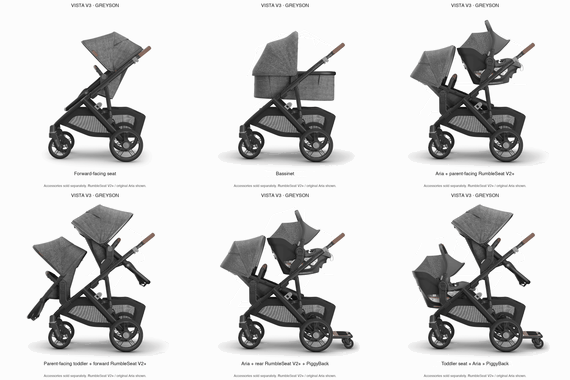
Bring the stroller model and generation to the comparison. Install the footmuff, recline the seat, fold the stroller if the maker permits, and check basket access. For a reversible seat, test both orientations. If a sibling configuration changes seat height or canopy clearance, build that configuration too.
Inspect used or stored footmuffs for blocked harness slots, damaged zippers, compressed inserts and care-label legibility. After a wet outing, remove debris, open the item fully and let every layer dry before storage.
Compare the standard footmuff, the performance winter version and other stroller accessories by exact seat fit and your weather routine. “Winter” is a design category; the buyer decision is whether its extra layer control solves your route without compromising harness use or care.