In this article
Quick answer: For a newborn or young infant, start with a rear-facing seat that matches the child’s height and weight, install it in the back seat, set the harness at or just below the shoulders, and choose convenience features only after the safety basics are clear.
The decision this guide helps you make
The first car-seat choice can feel like a maze because parents are not only choosing a seat; they are choosing a routine they can repeat correctly when everyone is tired. This guide focuses on the everyday rear-facing checks that matter before the first ride home, then shows where a premium infant seat such as Clek Infant Car Seat Liing can make that routine easier to understand.
Transport Canada tells parents to use a child car seat made for the child’s height and weight and to keep children rear-facing as long as possible. That makes the best first question simple: will this seat fit the baby, the vehicle, and the adults who need to install and carry it without guessing?
- Confirm the child is within the seat’s stated height and weight range before use.
- Install the seat rear-facing in the back seat, not in front of an active airbag.
- Set harness straps at or just below the baby’s shoulders.
- Read both the vehicle manual and the car-seat manual before the first installation.
Why rear-facing is the starting point
Rear-facing seats support the head, neck, and back differently from forward-facing seats. For babies, that protection matters because their bodies are still developing and their heads are proportionally heavy. Parents often ask when to turn a child forward, but the safer buying question is how to keep the rear-facing stage comfortable and correctly installed for as long as the seat allows.
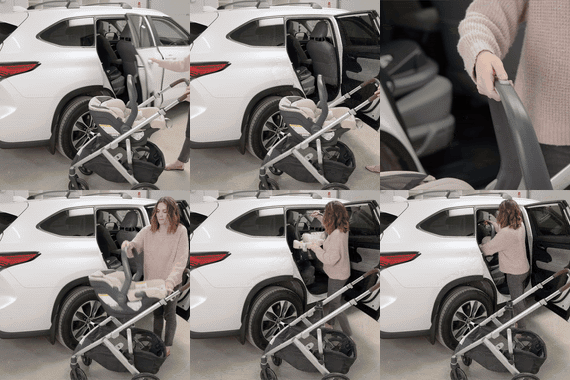
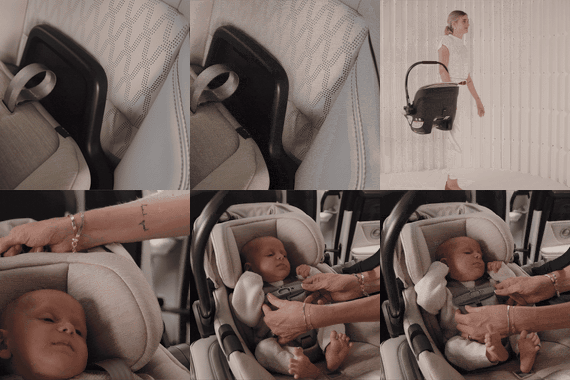
A rear-facing infant seat also creates a useful newborn routine: the carrier can be buckled to a base in the vehicle, removed for short transfers, and checked at eye level before every ride. The seat still needs correct angle, harness fit, and base installation, so convenience should never replace the manual, but it can reduce friction when used properly.

Fit checks before you compare features
Before comparing fabrics, stroller adapters, or extra comfort details, make sure the seat’s fit logic is straightforward. A newborn needs a snug harness, a recline angle permitted by the seat, and no bulky clothing between the body and the straps. If the harness has slack, if the chest clip is not positioned as directed, or if the seat angle is outside the allowed range, premium features cannot make up for the missed basics.
Vehicle fit is just as important as baby fit. Some compact cars have shorter back seats, some family vehicles have sculpted seats, and some adults need the front seat set far back. A seat that installs securely while leaving the front passenger usable is often a better real-world choice than a seat that looks impressive but makes daily setup stressful.
Where Clek Liing fits in the decision
Clek Infant Car Seat Liing is useful for parents who want a structured installation experience. The Clek Liing product details highlight Rigid-LATCH/UAS-style connection hardware, a metal load leg, and multiple recline positions. Those details do not remove the need to read the manual, but they do speak to the parent who wants visible, repeatable setup cues.
The load-leg conversation is especially practical. A load leg is designed to stabilize the base when the seat and vehicle allow it, but the permitted setup depends on the seat instructions and vehicle floor design. Parents should treat it as a feature to understand, not a shortcut. If the manual says a position or vehicle area is not permitted, choose a permitted setup even if it takes a few extra minutes.
- Good fit for: parents who value clear installation feedback and a premium infant carrier routine.
- Think twice if: the seat will move between many different vehicles and caregivers will not read the manual each time.
- Best next step: test the carry weight, vehicle fit, and stroller compatibility before relying on it as a daily system.
A first-ride checklist you can actually use
The safest checklist is short enough to repeat. Before the first ride, confirm the seat is facing the correct direction, the base or belt path is secure according to the manual, the harness is snug, the chest clip is positioned as directed, and there are no thick coats or aftermarket inserts changing the fit. If a caregiver cannot explain those checks, pause and practice before the ride.
Parents should also plan for growth. A newborn who fits beautifully in week one will need harness and insert adjustments as weight, length, and clothing layers change. Put a reminder in the calendar to review the fit after early pediatric visits, before winter layers arrive, and before any road trip where the baby will spend more time in the seat.
Questions to answer before checkout
Before checkout, decide who installs the seat most often, which vehicle will be the primary vehicle, and whether the carrier will be used with a stroller or mostly left in the car. Those answers change what convenience features matter. A family that moves one base between caregivers may prioritize simple belt-path instructions, while a family using one primary vehicle may care more about a base that stays installed and gives clear daily confidence checks.
Also plan for winter before winter arrives. Bulky coats should not sit under the harness, so parents need a safe warmth strategy such as thin layers, a blanket over the buckled harness, or a vehicle warm-up routine. Thinking about those details at purchase time helps the first seat stay useful beyond the first sunny newborn outing.
Finally, keep the instruction manual accessible in the vehicle or saved on your phone. Caregivers are more likely to correct a small mistake when the rule is easy to find. The goal is not to memorize every detail on day one; it is to build a repeatable routine that can be checked when the baby grows, the weather changes, or the seat is reinstalled.
When in doubt, book a fitting check with a qualified technician or local safety program before the first long drive.
Caregiver handoff notes
If another caregiver will buckle the baby, give that person a short handoff rather than a long lecture. Point out the recline indicator, the harness height rule, the chest clip position described in the manual, and the way the carrier clicks into the base. Then ask the caregiver to do the steps back in front of you once. A two-minute practice round catches more mistakes than a text message sent after the car has already left.
For grandparents or occasional drivers, keep the setup conservative. Avoid switching between unfamiliar belt paths, adapters, or seating positions unless the manual clearly allows it and the person has practiced. A simple approved setup repeated the same way is better than a technically possible setup that nobody remembers under pressure.
Before making the final car-seat choice, picture the first ordinary weekday: a tired caregiver, a small parking space, and a baby who needs a calm buckle routine. The seat should make those checks easier to repeat, not harder to remember.
Before making the final car-seat choice, picture the first ordinary weekday: a tired caregiver, a small parking space, and a baby who needs a calm buckle routine. The seat should make those checks easier to repeat, not harder to remember. If the answer is not clear, slow the purchase down and test the routine one more time before choosing.
FAQ: buyer questions we hear most often
How do I know if a rear-facing infant car seat fits my newborn?
Start with the seat manual’s height and weight limits, then check the harness position, recline angle, and whether the baby can be buckled snugly without bulky clothing or unapproved inserts.
Is a load leg worth choosing for a first infant car seat?
It can be worth it for parents who want extra base-stability features, but only when the seat manual and vehicle position permit that setup. The manual is the deciding rule.
Should I buy the infant seat before choosing a stroller?
Choose the car seat for safe vehicle fit first, then confirm stroller adapter compatibility. A convenient travel system is helpful only if the car-seat setup is correct.
When should I re-check harness fit after bringing baby home?
Re-check after growth spurts, pediatric visits, seasonal clothing changes, and any time another caregiver adjusts the harness or moves the seat.

For installation-sensitive gear, follow the product manual and use a qualified installation check when needed.
Related baby enRoute reading
- What Parents Need to Know Before Buying a Car Seat in Canada: Your Ultimate Guide (and Where to Get Expert Help in BC!)
- The Ultimate Infant Car Seat Guide 2026: Safety, Features, and Fit
- How to Plan Your First Visit to a Baby Store: A Guide for Canadian Parents
Product details can change: Check linked product pages for current colours, pricing, availability, and compatibility. Follow manufacturer instructions and official safety guidance when those apply.