In this article
Choose the Clek Liing when a removable infant carrier solves a repeated transfer problem and the exact seat fits both baby and vehicle. Choose a different route when the restraint will usually stay installed, the carried load is impractical, or the base and carrier do not fit the intended seating position.
The Clek Liing is a rear-facing-only infant seat. It should be compared as a complete routine: child range, base installation, carrier weight, stroller connection, second-vehicle plan and the next restraint after Liing is outgrown.
Start with the exact Canadian limits
Clek Canada lists Liing for children from 4 to 35 pounds and up to 32 inches, in rear-facing mode only. The carrier is 16.9 inches wide and weighs 9 pounds with the newborn insert removed. The base is 13.2 inches wide, 22.6 inches deep and weighs 17 pounds.
Do not turn those figures into a promise of newborn or vehicle fit. The Canadian label and manual determine the required insert, harness position, recline and head clearance for the baby. The base and carrier must also install as directed in the exact vehicle position while leaving the front passenger and adjacent occupants able to use their seats correctly.
Decide whether the carrier will actually leave the car
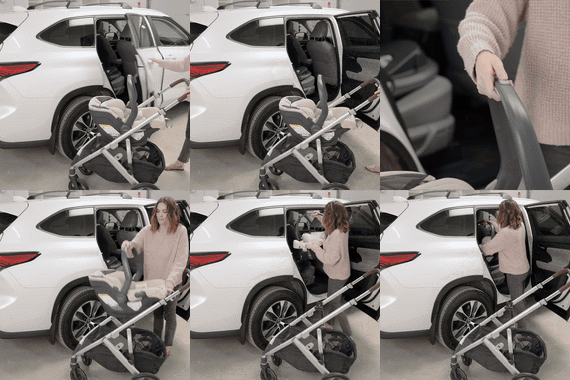
Identify the recurring route: whether the carrier leaves the vehicle for appointments or daycare handoffs, connects to a stroller, or is usually left in the car while an adult carries the baby. Frequent carrier transfers give Liing's removable design a clear job; a restraint that will usually stay installed makes a newborn-compatible convertible seat worth comparing.
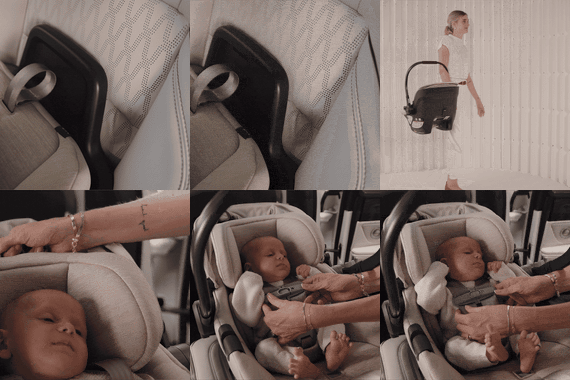
The carrier weight is only the starting load. Add the baby's current weight and any manufacturer-permitted pieces that travel with the seat. Rehearse the stairs, doorway and stroller connection with the empty carrier first. Do not use a buckled baby as a handling test. If the route is awkward while empty, plan to use a stroller, change the parking route or compare another restraint routine.
Check the base and the release path separately
A correct base installation does not prove the carrier can be removed comfortably beside another restraint or a narrow door opening. Install the base using a method permitted by both manuals, set the required recline and confirm the support-leg rules for that vehicle floor. Then check whether the handle and release path clear the door, front seat and neighbouring restraint without changing the installation.
If Liing will be used without its base in a taxi or second vehicle, treat that as a second installation method. Read and practise the exact baseless belt route in the intended vehicle. A removable carrier does not make every unfamiliar vehicle simple, and a second base is useful only when it is compatible and can remain correctly installed.

Verify the stroller connection by exact models
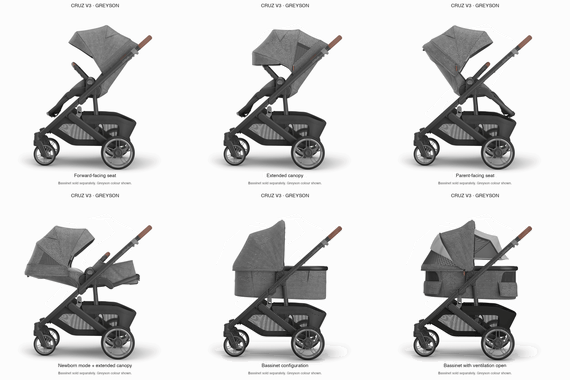
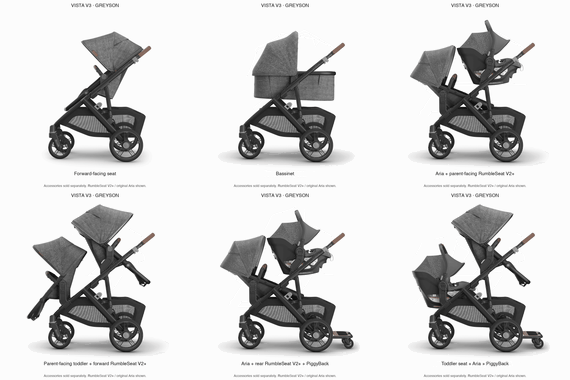
Liing can connect to compatible strollers directly or through named adapters, but a brand-level promise is not enough. Record the exact stroller generation and adapter model, then confirm the combination in current instructions from both manufacturers. Include the adapter in the packing and storage plan so the travel-system benefit does not disappear when a small part is left at home.
A stroller connection does not turn the infant seat into a routine sleep space. Health Canada says car seats are designed for safe travel, not sleep, and advises moving a sleeping baby to a safe sleep space at the destination. Use the restraint and stroller only in the configurations and settings their manuals permit.
Plan winter loading without changing harness fit
Transport Canada advises that bulky coats and snowsuits may not work well with a child restraint and directs caregivers to follow the restraint manual. Use clothing the Liing instructions permit, tighten the harness as directed, and add warmth over the secured harness only when the manufacturer permits that arrangement. Keep covers clear of the baby's face, harness, handle, indicators and carrier release.
Prepare the first ride before the due date
- Confirm the National Safety Mark, exact model, labels and current Canadian manual.
- Install the base in the intended position using one permitted method.
- Set the recline and support leg exactly as the manual directs.
- Practise attaching and removing the empty carrier without disturbing the base.
- Fit the harness to the baby under the manual's insert and positioning rules.
- Have every regular caregiver repeat the buckle, harness and carrier-lock checks.
- Register the seat and keep the receipt, serial information and manual available.
Transport Canada's buying checklist asks families to match the restraint to the child's age, weight and height and confirm that it fits the vehicle. Liing is a strong choice only when both of those fit questions and the transfer routine agree.
Know the exit before Liing is outgrown
Track the baby's current measurements against every limit and fit rule in the manual. Begin comparing rear-facing convertible seats before Liing is outgrown, especially if the carrier is already difficult to handle. Convenience can end before a child reaches a stated maximum, but the replacement must be ready and suitable before the current configuration is no longer allowed.
Browse infant car seats when comparing removable carriers, and convertible car seats when the seat will remain installed. The better route is the one that fits the child and vehicle now and gives caregivers a repeatable first-ride routine.