In this article
Wherever your baby sleeps over the holidays, the rules are the same as at home: on their back, alone, in a crib, cradle or bassinet that meets current Canadian rules, with nothing else in it. A hotel crib or a crib at the grandparents' house needs a quick check before the first night. A crib made before September 1986 shouldn't be used at all. If you're not sure what you'll find when you get there, bring your own travel crib with a bassinet level.
A two-minute check for any crib you didn't set up
These checks come from Health Canada's crib safety advice. They take a couple of minutes and work for a hotel crib, a borrowed crib or one that's been in the grandparents' basement for years.
- Push the mattress into each side. There shouldn't be a gap of more than 3 cm (1 3/16 in) between the mattress and the sides.
- Press down on the mattress. It should be firm, and a crib mattress shouldn't be thicker than 15 cm (6 in).
- Look at the bars. They should be no more than 6 cm (2 3/8 in) apart, with none loose, cracked or missing.
- Shake the crib. The hardware should be tight, with no wobble, missing screws or loose parts.
- Clear it out. Take out bumper pads, pillows, quilts, duvets and stuffed toys. Use one fitted sheet.
- Look around it. Move it away from windows, patio doors, lamps and blind or curtain cords.
If anything fails, don't fix it with extra padding, a folded blanket or a towel. Ask for a different crib, or use the one you brought.
If the hotel brings a playpen
Some hotels bring a portable playpen when you ask for a crib. Health Canada says playpens aren't recommended for unsupervised sleep in Canada, because they're not as durable and safe as cribs. If it's what you have for a night or two, check the mesh and the rail covers for tears, make sure every side is locked up, and use only the thin mattress pad it came with. Health Canada specifically says not to add an extra mattress or padding, so turn down the offer of a folded duvet to soften it.
Health Canada also suggests putting a playpen on the floor in the room where you'll sleep, but not so close to your bed that your bedding could fall in, and using a baby monitor to check on your baby often.
At the grandparents' house
An older crib is the most common surprise. Health Canada says:
- a crib made before September 1986 shouldn't be used, because it doesn't meet current safety rules
- a crib, cradle or bassinet more than 10 years old should be checked for missing, loose, worn, broken or damaged parts
- drop-side cribs can no longer be sold in Canada
- a crib shouldn't be modified in any way
Look for a label with the date it was made. If you can't find one, or it says before September 1986, plan on a travel crib instead.
It also helps to share the basics before you arrive, especially if it's been a while since the grandparents had a baby in the house. Babies should sleep on their backs for every sleep, with nothing soft in the crib. Health Canada says babies should be warm but not hot, don't need blankets and shouldn't wear hats or outerwear to sleep indoors. A sleep sack is the easy extra layer. Our sleep sack TOG guide helps you match it to the room, and our guide to dressing a baby for winter sleep covers the rest.
Bringing your own travel crib
A travel crib you've used at home means one less thing to check, and your baby sleeps somewhere familiar. Health Canada says a correctly assembled bassinet attachment on a playpen is a safe option until your baby can roll over or reaches its weight limit, whichever comes first. For an older baby, the lower level is still a playpen, so the playpen advice above applies.
Set it up at home once before the trip, so the fold and the locks aren't new to you at 10 p.m. in a hotel room. Our list of the best travel cribs and playards in Canada compares the six we carry, and our playard vs travel crib guide covers packing and space.
What doesn't count as a bed
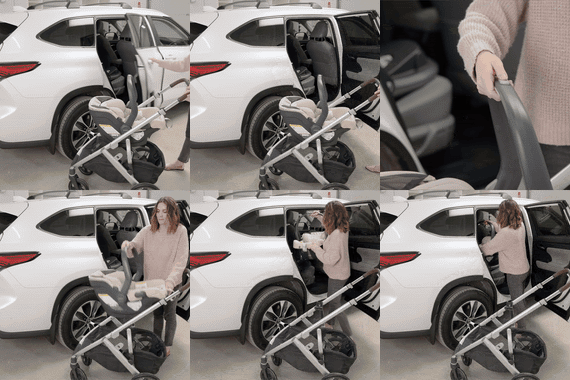
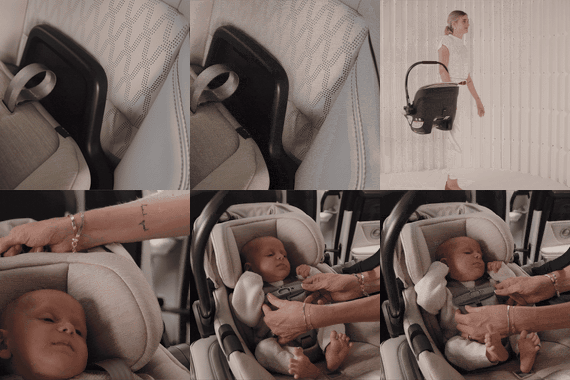
- The car seat. If your baby falls asleep on the drive, move them to their crib when you arrive. Health Canada says car seats are for travel, not sleep. Our guide to the infant car seat in winter covers the arrival routine.
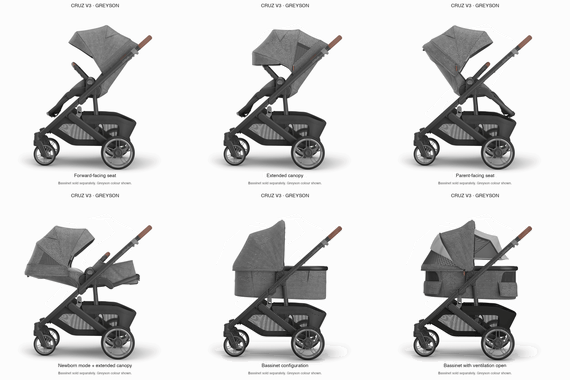
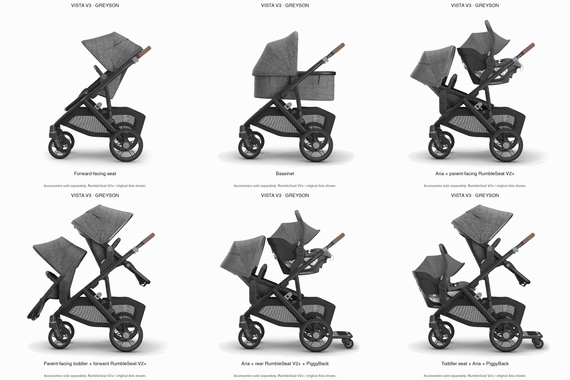
- The stroller. Health Canada says strollers and carriages aren't designed for sleep.
- A travel bassinet on a bed or sofa. Health Canada says a travel bassinet can sink into soft surfaces. Put it on the floor.
- An adult bed. Health Canada doesn't recommend bed sharing, and says it increases the risk of SIDS and suffocation, including while travelling. A child under 2 also shouldn't sleep on a bed with portable bed rails.
Pack for the night
- A fitted sheet made for the travel crib or bassinet you're using
- Two sleep sacks, in case of a leak
- A baby monitor, if you have one. Our baby monitor guide explains Wi-Fi and audio monitors.
- Your usual bedtime routine items, such as a book
Shopping for a travel crib before the holidays? Browse our travel cribs and playards, or call our Richmond, Burnaby or Ottawa store ahead of your visit to ask which ones are set up on the floor.