In this article
Canadian winter changes the trip home, but the bedroom may remain stable. Dress a baby for the room where they will sleep, not for the temperature outside the window. Health Canada's current guidance says sleepwear should be appropriate to the room so a baby is warm without becoming hot, and outdoor layers should come off indoors.
That makes the purchase decision more specific: choose a simple fitted sleeper in the correct size, decide whether an appropriately sized sleep sack is part of the setup, and adjust only from what you can observe in the room and on the child. There is no universal “winter outfit” or automatic TOG number that works for every home.
Step 1: reset after coming indoors
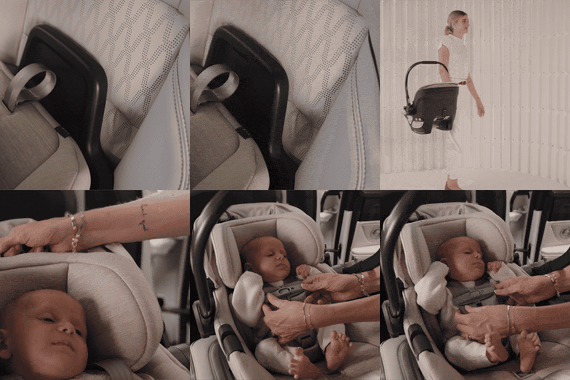
Remove snowsuits, jackets and other outerwear once indoors. Health Canada also says babies do not need hats indoors for sleep. This transition matters because a stroller or car-seat setup solves a different problem from a crib, cradle or bassinet.
Before bedtime, note the room conditions where the sleep space actually sits. A thermostat in a hallway may not describe a bedroom beside a drafty window or heating vent. You do not need to chase a perfect number; you need a consistent observation point and sleepwear appropriate to that room.
Step 2: choose a fitted base sleeper

A current footed one-piece such as the Nest Designs Row Row sleeper gives one continuous base layer and covered feet. A Coccoli modal zipper footie offers another exact one-piece construction with a hidden two-way zipper. For an older child who manages separate garments, a long-sleeve two-piece can make toilet access easier.
The category matters less than correct fit. Health Canada warns that baby sleepwear that is too large can ride over the nose and mouth. Check that the neckline remains in place, the shoulders are not pulled down by covered feet, and no loose thread, snap or zipper part needs repair. Do not size up early as a substitute for choosing proportions that fit now.
Step 3: decide whether a sleep sack belongs in the setup
If you use a sleep sack, Health Canada says it must be the right size and appropriate to the room. Too large can allow a baby to slip inside; too small can restrict free hip and leg movement. Do not add a blanket with a sleep sack, and do not use weighted sleep sacks, weighted swaddles or weighted blankets for a baby.

The current Coccoli Lavender Fog sleep sack is labelled 1.5 TOG. Treat that as one product specification, not a season name. Read its exact size and use instructions, then decide what fitted sleeper, if any, the manufacturer chart pairs with the room conditions. A thicker number is not automatically the better winter choice in a warm home.
Step 4: make the same quick observations every night
- Room: Has heating, a vent, an open door or a draft changed the bedroom from the previous night?
- Garment: Is tonight's sleeper the same material and format as the one used before, or did foot coverage and layering change?
- Fit: Does the neckline stay in place? Can hips and legs move freely? Are covered feet pulling at the torso?
- Condition: Are snaps, zipper pulls, seams and threads secure?
Use ordinary signs to reassess comfort, and seek personalized advice from a health professional when a baby's health or care plan changes the situation. Do not build a rule around cold hands or the outdoor forecast alone.
A room-first comparison
| Situation | Decision to make | What not to assume |
|---|---|---|
| Heated room is stable | Use a fitted sleeper appropriate to that room | That outdoor cold requires extra indoor layers |
| Sleep sack is used | Follow exact size and room guidance; keep the sleep space clear | That a blanket should be added |
| Baby reaches the end of footed sleeper | Re-measure and change size or format | That stretching the garment is acceptable |
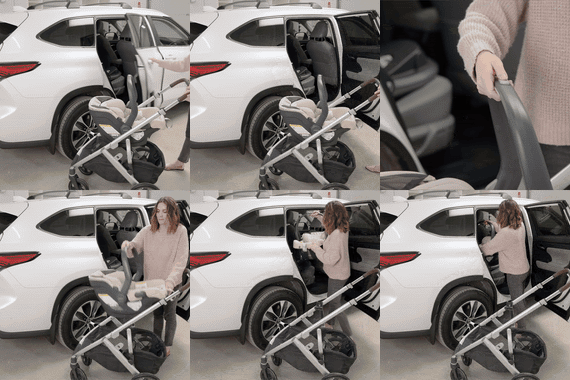
| Moving from car or stroller | Remove outerwear indoors before sleep | That travel layers belong in the sleep space |
Keep the whole sleep setup in view
For every sleep, Health Canada recommends placing baby on their back on a firm, flat sleep surface that is clear of soft bedding, pillows and toys. Once a baby can roll independently, its guidance says you do not have to turn them back after they roll, but you still place them on their back initially and keep the sleep space clear.
A garment choice cannot make an unsuitable sleep space safe. It can only fit correctly, suit the room, and work with the exact sleep-sack instructions. That is the durable winter rule.
The concise winter plan
Remove outdoor layers, observe the bedroom, use simple fitted sleepwear, and add only an appropriately sized sleep sack when its instructions and the room call for it. Recheck fit and garment condition regularly. Shop by exact model and size in the Fall/Winter Edit, not by a blanket assumption that every winter night needs the thickest option.