


Canada-focused • Neutral buying guidance • Built by baby enRoute product experts
A stage-by-stage buyer’s roadmap for safe sleep, feeding, diapering, and travel
If you’re building a baby registry (or just trying to survive the first months), “baby gear” can feel endless. The goal of this guide is the opposite: buy fewer things, buy them at the right time, and choose features that actually match your life.
Quick reality check: In 2024, Canada recorded 365,737 live births. That’s a lot of families facing the same decisions—often under time pressure. This guide is designed to make those decisions calmer and more evidence-led.
Numbers source: Statistics Canada, “Births, 2024.”
Start here: the 3 purchases that matter first
Most babies need many items eventually, but three categories tend to be “early and important” in Canada: (1) a safe sleep setup, (2) a correctly fitting/installed car seat (if you drive), and (3) a feeding plan (breast, bottle, or both). This aligns with Health Canada safe sleep guidance and Transport Canada child restraint installation guidance.
How to buy baby gear without overbuying
Buy by stage, not by anxiety
A practical approach is to separate purchases into: Before birth (prepare the safety-critical basics), 0–3 months (support feeding + sleep + recovery), 3–6 months (mobility + routines), and 6–12 months (solids + sitting + travel upgrades).
Use a “space + transport + climate” filter
Two families can buy the same category (say, a stroller) and have completely different outcomes. Before you decide, answer: Where do you live? (condo vs house), how do you move? (walk/transit vs drive), and what’s your weather reality? (winter, rain, summer heat).
Safety baseline: follow official guidance and product manuals
For sleep, Health Canada emphasizes a flat, firm, clutter-free sleep surface and placing baby on their back. For car seats, Transport Canada emphasizes correct installation and the use of UAS anchors where available. For feeding, Health Canada and the Canadian Paediatric Society provide Canada-specific guidance on breastmilk/formula and introducing solids.

Sleeping
What matters most (Canada safe sleep basics)
Health Canada’s safe sleep guidance is clear: place your baby on their back, use a sleep space that is flat and firm, and keep it free of soft bedding, bumpers, pillows, and toys. The safest place is alone in a crib, cradle, or bassinet that meets current Canadian safety requirements.
What to buy (and what can wait)
“Right now” essentials
For most families, the essentials are: a compliant sleep space, a firm mattress made for that sleep space, and fitted sheets. Swaddles/sleep sacks can be helpful, but the priority is the safe sleep surface and setup.
Orderable pick (verified “Add to cart”)
Sleeptek Organic Rubber Crib Mattress
If you’re building a nursery crib setup, the mattress is the core of the system. This product page shows the item is currently orderable (Add to cart shown). Always confirm sizing with your crib model and use a fitted sheet designed for infant sleep surfaces.
View Sleeptek Organic Rubber Crib MattressAvailability can change quickly; confirm at checkout.
Nice-to-have (often later)
Monitors, sound machines, extra sleep accessories, and decorative bedding can be useful, but they should never create a cluttered sleep environment.
Feeding
Evidence-based baseline: breast, formula, or combination
Health Canada’s infant nutrition guidance recognizes exclusive breastfeeding for the first six months as the nutrition standard for healthy term infants, except in limited medical situations. From about 6 months onward, nutrition comes from a combination of breastmilk and complementary foods. The Canadian Paediatric Society also frames solids as typically starting around 6 months, based on readiness.
A practical shopping map for feeding gear
Feeding gear you might need in the first month
Even if you plan to breastfeed exclusively, many families still purchase a small bottle kit as “backup” (pumped milk, supplementation, caregiver flexibility). If you plan to formula feed, bottles and cleaning/sterilizing tools become daily essentials.

Orderable pick (verified “Add to cart”)
Hegen Teat (2 Pack)
Bottle-feeding is not just about the bottle: teat flow and fit matter for pace and comfort. This product page shows “Add to cart,” indicating it is currently orderable. Choose flow rate based on baby’s feeding behaviour and your care team’s advice.
View Hegen Teat (2 Pack)Availability can change quickly; confirm at checkout.
Solids (typically around 6 months)
When solids start, the “gear list” is simpler than most people expect: a safe seating solution (often a high chair), bibs, a few utensils, and easy-to-clean dishes.
Diapering
What makes a diapering setup work in real life
Diapering is a workflow problem: speed, cleanliness, and reducing “surprise mess.” Most families do best with a dedicated “change zone” (even if it’s a dresser top) and a go-bag for outside the home.

Buying tip: don’t overstock newborn sizes
Many babies outgrow newborn sizes quickly. A safer approach is buying a small starter quantity across 1–2 sizes (and keeping packaging intact when possible).
Bathing
What matters (comfort + control)
Bath gear works best when it reduces risk of slips and makes temperature management easier. A stable infant tub (or supportive insert) can reduce “two-hands-required” moments and parent back strain.

Travel & gear
Car seat (safety first, install matters)
Transport Canada emphasizes correct installation and the use of UAS where available to help parents secure child seats more easily. They also provide stage-based guidance (rear-facing to forward-facing and beyond) and clarify that you may need to install with the seat belt in certain configurations. Importantly, Transport Canada notes it does not crash-test rate or endorse individual seats.
Orderable pick (verified “Add to cart”)
Cybex Callisto G 360 Rotating All-In-One Convertible Car Seat
For families who want one seat that covers multiple stages, “all-in-one” seats can reduce replacement cycles (while still requiring careful reading of the manual for each stage). This product page shows “Add to cart,” indicating it is currently orderable.
View Cybex Callisto G 360Availability can change quickly; confirm at checkout. Always follow your car seat and vehicle manuals.
Strollers (match to terrain and transport)
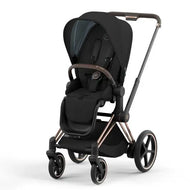
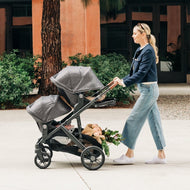
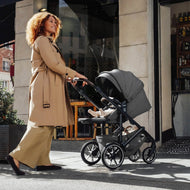
A stroller is a daily mobility tool. In practice, the “best stroller” is the one that fits: your trunk/elevator, your sidewalks and trails, your winter accessories plan, and your typical load (baby + bags).

Orderable pick (verified “Add to cart”)
Bugaboo Butterfly 2 Travel Stroller
Travel strollers are best when they reduce friction: compact fold, manageable weight, and easy day-to-day pushing. This product page shows “Add to cart,” indicating it is currently orderable.
View Bugaboo Butterfly 2Availability can change quickly; confirm at checkout.
Baby carriers and travel sleep spaces
Carriers can be ideal for tight urban spaces and quick errands; travel cribs/playards help create a consistent safe zone when visiting family or travelling.

Comparison tables
Car seat types
| Type | Best for | Trade-offs | What to check before you buy |
|---|---|---|---|
| Infant seat (rear-facing) | Easy transfers (car ↔ stroller), smaller babies, frequent car trips | Shorter usage window; you may need a second seat later | Vehicle fit, base compatibility, harness adjustability, expiry date |
| Convertible seat | Longer use per purchase; families who drive often | Not portable like an infant seat; can be heavy | Rear-facing limits, install method options (UAS vs belt), vehicle geometry |
| All-in-one | One seat that can cover multiple stages | Large footprint; higher upfront cost; still requires correct stage setup | Manual clarity, adjustability by stage, check fit in your vehicle and seating position |
Stroller types
| Type | Best for | Trade-offs | What to check before you buy |
|---|---|---|---|
| Full-size stroller | Daily long walks, storage, rougher sidewalks | Heavier; takes more space | Fold size, wheel/suspension, basket load, handle height |
| Travel/compact stroller | Transit, small trunks, flights, quick errands | Smaller wheels may feel bumpier; fewer “all-terrain” features | One-hand fold, carry weight, recline, canopy coverage |
| Travel system (stroller + compatible seat) | Newborn stage convenience | Can be more expensive; ensure true compatibility | Compatibility, adapter needs, and your car-seat install confidence |
Sleep spaces
| Option | Best for | Trade-offs | Safety essentials |
|---|---|---|---|
| Crib | Long-term nursery sleep setup | Less portable; requires space | Flat + firm mattress; fitted sheet only; no soft items |
| Bassinet / cradle | Early months near-bed setup | Baby will outgrow it | Flat + firm sleep surface; meets Canadian requirements |
| Playard / travel crib | Travel, grandparents’ house, flexible home use | Mattress thickness varies; check comfort/support | Use the manufacturer’s approved mattress only; keep surface clear |
FAQ
What is the minimum baby gear I truly need before birth?
A safe sleep space, a plan for feeding, and (if you drive) a properly fitting car seat installed according to the manufacturer’s instructions. Everything else can be staged.
What does Health Canada say about safe sleep?
Key points include placing baby on their back, using a flat/firm sleep surface, keeping the sleep space free of soft bedding and objects, and having baby sleep alone in a crib/cradle/bassinet that meets current Canadian safety requirements.
Do I need to buy a stroller before the baby arrives?
Not always. If you drive frequently, you may prioritize the car seat first. If you walk daily (especially in Canadian weather), a stroller may become a day-one essential.
When do babies start solids in Canada?
Many babies are ready at about 6 months, guided by readiness signs. You can continue breastfeeding as long as it works for you and baby.
Should I stock up on newborn diapers?
Usually not. Start with a small amount; babies can outgrow newborn sizes quickly. Then adjust based on fit and your baby’s growth.
What’s the biggest car seat mistake parents make?
Assuming it’s “installed well enough.” Transport Canada repeatedly emphasizes installation quality and the value of checking your install (and using UAS where appropriate) to help achieve a tight, correct fit.
Are “all-in-one” car seats always the best value?
They can be, but only if the seat fits your vehicle well and you’re comfortable adjusting it correctly across stages. Price is only “value” when usage is correct and sustainable.
How do I avoid buying things I don’t use?
Buy in stages: safety first, then convenience. Choose gear that matches your space and transport patterns. Keep receipts and packaging intact when possible until you’re sure.
References
- Government of Canada — Health Canada. “Safe sleep tips.” https://www.canada.ca/en/health-canada/services/safe-sleep/safe-sleep-tips.html
- Government of Canada — Public Health Agency of Canada. “Safe Sleep for Your Baby” (brochure). https://www.canada.ca/en/public-health/services/publications/healthy-living/safe-sleep-your-baby-brochure.html
- Transport Canada. “Reminder: It’s important to properly install child car seats.” https://tc.canada.ca/en/road-transportation/defects-recalls-vehicles-tires-child-car-seats/reminder-it-s-important-properly-install-child-car-seats
- Transport Canada. “Stage 1: rear-facing seats.” https://tc.canada.ca/en/road-transportation/child-car-seat-safety/installing-child-car-seat-booster-seat/stage-1-rear-facing-seats
- Transport Canada. “Stage 2: forward-facing seats.” https://tc.canada.ca/en/road-transportation/child-car-seat-safety/installing-child-car-seat-booster-seat/stage-2-forward-facing-seats
- Transport Canada. “Protecting children in forward-facing car seats.” https://tc.canada.ca/en/road-transportation/motor-vehicle-safety/protecting-children-forward-facing-car-seats
- Health Canada. “Nutrition for Healthy Term Infants: Recommendations from birth to six months.” https://www.canada.ca/en/health-canada/services/canada-food-guide/resources/nutrition-healthy-term-infants/nutrition-healthy-term-infants-recommendations-birth-six-months.html
- Health Canada. “Nutrition for Healthy Term Infants: 6 to 24 months.” https://www.canada.ca/en/health-canada/services/canada-food-guide/resources/nutrition-healthy-term-infants/nutrition-healthy-term-infants-recommendations-birth-six-months/6-24-months.html
- Canadian Paediatric Society — Caring for Kids. “Feeding your baby in the first year.” https://caringforkids.cps.ca/handouts/pregnancy-and-babies/feeding_your_baby_in_the_first_year
- Statistics Canada. “The Daily — Births, 2024.” https://www150.statcan.gc.ca/n1/daily-quotidien/250924/dq250924c-eng.htm