In this article
Clek Liing vs Peg Perego Primo Viaggio Nido in Canada: Infant Seat Fit for First-Year Driving
An infant car seat is not just a newborn purchase. It is the piece of gear that decides how confidently a family leaves the hospital, handles winter errands, and repeats the same rear-facing setup through the first year.
This guide compares Clek Infant Car Seat Liing and Peg Perego Primo Viaggio Nido Infant Car Seat from a parent decision angle: what changes in daily use, what questions to ask before buying, and which family pattern each choice serves best.
For this infant-seat comparison, the safer purchase is the seat that fits the baby, the vehicle, and the caregiver's installation routine with the fewest repeat mistakes. Premium padding matters less than a rear-facing setup that can be checked, tightened, carried, and repeated correctly on rushed mornings.

Canadian fit comes before feature comparison
Transport Canada is clear that child car seats and booster seats can greatly reduce the risk of injury or death when used correctly. It also tells parents to look for the National Safety Mark and to choose a seat based on the child’s age, height, weight, and the seat’s stated limits.
That means the first comparison is not Clek versus Peg Perego in the abstract. It is which seat fits the child, vehicle, caregiver strength, base setup, and daily route with the fewest repeat mistakes.
Both the Clek Infant Car Seat Liing and the Peg Perego Primo Viaggio Nido Infant Car Seat belong in the rear-facing infant-seat category. The buyer’s job is to decide which setup feels more repeatable in the vehicle that will carry the baby most often.
Where Clek Liing makes sense
Clek Liing is often considered by parents who want a Canadian-focused infant seat from a brand closely associated with car-seat engineering. It is a strong candidate when the family is comparing base setup, compactness, and a clear rear-facing infant routine.
The Liing may appeal most to families with city parking, shared vehicles, or a strong preference for a seat that feels purpose-built for careful installation habits. If the same caregiver will install and remove the seat often, handling and base confidence become part of the purchase.
A good Liing decision still requires an in-vehicle check. The safest theoretical seat can become frustrating if the front passenger loses too much space, the base angle is hard to read, or the caregiver cannot tighten and release the seat consistently.
Where Peg Perego Primo Viaggio Nido makes sense
The Peg Perego Primo Viaggio Nido is a compelling comparison point for parents who want an infant seat with a more premium comfort story and a recognizable newborn-travel design. The Nido name also tends to attract buyers thinking about canopy coverage, padding, and day-to-day comfort.
That comfort emphasis can matter for families who drive often, park outdoors, or expect many short errands where the baby moves from home to vehicle to stroller-compatible outings. The seat still needs to be judged by fit, labels, and correct use rather than softness alone.
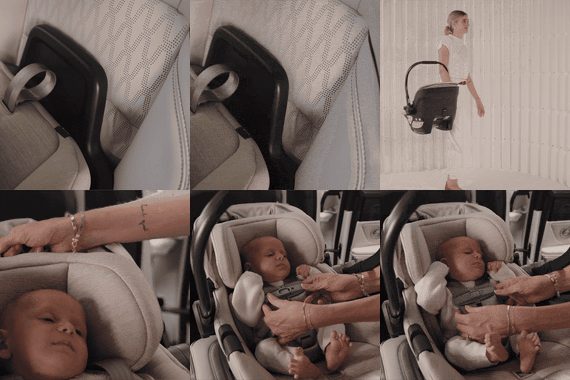
Parents choosing the Nido should practice buckling, loosening, tightening, and carrying the seat before assuming it will feel easy after birth. Comfort features help only when the harness fit and vehicle fit are also easy to repeat.
Do not let convenience turn the car seat into a crib
AAP safe sleep guidance says that if a baby falls asleep in a car seat, stroller, swing, infant carrier, or sling, the baby should be moved to a firm, flat sleep surface on the back as soon as possible. That advice applies even when the car seat is excellent for travel.
This is especially important during the first months, when a sleeping newborn can make it tempting to leave the seat undisturbed after the drive. The car seat’s job is crash protection during travel, not routine sleep away from the vehicle.
A smart infant-seat setup includes a safe arrival plan: who unbuckles, where the baby goes next, and how the family avoids letting the seat become the default nap location.

Comparison snapshot
| Question | Clek Infant Car Seat Liing | Peg Perego Primo Viaggio Nido Infant Car Seat |
|---|---|---|
| Best fit | Families prioritizing installation confidence, compact handling, and a Canadian car-seat engineering story | Families prioritizing premium newborn comfort cues, canopy coverage, and a plush first-year travel feel |
| Safety habit | Verify base angle, National Safety Mark, harness fit, and repeat installation steps | Verify vehicle fit, harness height, recline, and correct rear-facing use |
| Avoid if | Vehicle fit or front-seat space becomes awkward | Comfort features distract from correct installation and harness fit |
How to choose without overbuying
Choose the Clek Liing if installation confidence, vehicle fit, and a more technical car-seat feel are the main priorities. Choose the Peg Perego Primo Viaggio Nido if the family values a premium newborn-travel feel and it fits the vehicle and child correctly.
Before buying either seat, check the label limits, confirm the National Safety Mark, test the carrier weight, and make sure the primary caregiver can tighten the harness without wrestling with it. If possible, test the base in the actual vehicle.
The best infant seat is the one a family can use correctly every ride. Features matter, but repeatability matters more: right recline, snug harness, rear-facing stage respected, and no sleeping in the seat after the trip ends.
FAQ: buyer questions we hear most often
Which infant car seat is better for a compact vehicle?
The better choice is the one that fits the actual vehicle while preserving safe front-seat space and correct recline. Clek Liing is worth testing first if compact handling is a priority.
Can my baby keep sleeping in the infant seat after we arrive?
AAP guidance recommends moving a baby who falls asleep in a car seat to a firm, flat sleep surface on the back as soon as possible.
What Canadian safety detail should I check before buying?
Transport Canada says to look for the National Safety Mark and choose a seat that matches the child’s age, height, weight, and the seat’s limits.
Should I choose comfort or installation confidence?
Installation confidence should come first. Comfort features are useful only if the seat fits the child, fits the vehicle, and can be used correctly every ride.
Try the installation before choosing the nicer feature list
The best infant seat on paper can still be the wrong seat for a specific vehicle. Before committing, check whether the base sits at the correct recline, whether the front passenger still has usable space, and whether the caregiver can tighten the install without guessing. A seat that is technically excellent but hard to repeat correctly may create stress every time the family leaves the driveway.
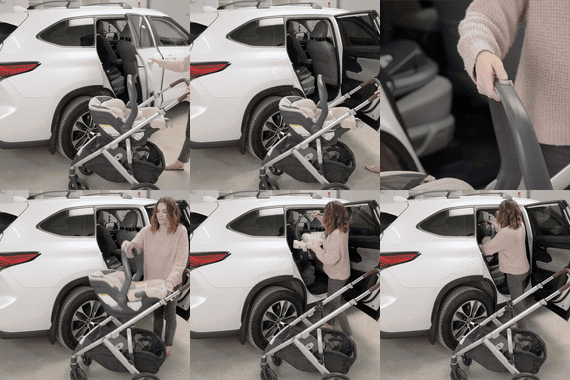
It is also worth practicing the carrier motion. Lift it from the base, carry it a short distance, set it down safely, and click it back in. If the caregiver will do that in winter clothing or in a tight parking spot, weight, handle angle, and release feel become real buying criteria rather than small conveniences.
Decision path for first-year driving
Choose Clek Liing when compact fit, installation confidence, and a more technical rear-facing setup are the main priorities. It is the stronger candidate for families who want the seat to feel precise and repeatable in city driving or shared vehicles.
Choose Peg Perego Primo Viaggio Nido when the seat fits the vehicle well and the family values a plusher newborn travel feel. Its comfort story is useful only after the installation, harness position, and daily handling all pass the family’s own test.
Winter errands and repeated handling
Canadian parents often judge infant seats during calm indoor demos, then use them in cold parking lots, tight condo garages, and rushed clinic visits. That is where small handling differences matter. A seat that clicks in smoothly, releases cleanly, and keeps the caregiver from fighting the handle can reduce mistakes because the routine feels repeatable.
Winter also changes the checklist. Bulky clothing should not interfere with harness snugness, and extra blankets should be managed after the baby is buckled rather than placed under the straps. The right infant seat choice should make those steps easier to remember, not easier to skip.
What to confirm at pickup or delivery
When the seat arrives, confirm that the label limits match the child, the manual is available, the base instructions are clear, and the primary vehicle allows a correct recline. Then practice a complete trip routine: buckle, tighten, carry, click into the base, remove, and move the sleeping baby to a safe sleep surface after travel. If that routine feels confusing, the family needs more practice before the first real errand.
For installation-sensitive gear, follow the product manual and use a qualified installation check when needed.
Related baby enRoute reading
- What Parents Need to Know Before Buying a Car Seat in Canada: Your Ultimate Guide (and Where to Get Expert Help in BC!)
- The Ultimate Infant Car Seat Guide 2026: Safety, Features, and Fit
- Peg Perego Canada Guide: Strollers, Car Seats, High Chairs
Product details can change: Check linked product pages for current colours, pricing, availability, and compatibility. Follow manufacturer instructions and official safety guidance when those apply.