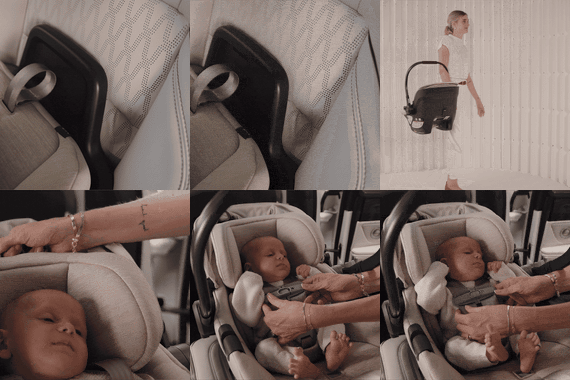
In this article
An infant car seat is one of the few purchases where the vehicle and the caregiver routine matter as much as the product itself. Clek Infant Car Seat Liing is the product to consider after the routine, vehicle, or room has been defined.
Short answer: Choose Clek Liing if you want a dedicated infant seat and you have verified vehicle fit, installation routine, stroller compatibility, and second-car needs. If you need one seat for longer use, compare convertible options before buying.

Fit the seat to the car, not the other way around
An infant car seat decision should begin in the back seat of the vehicle. The Clek Liing may be attractive because of its installation features and compact infant-stage purpose, but parents still need to confirm the seating position, recline range, base footprint, and front-seat clearance before deciding.
Rear-facing guidance is not a style preference. Transport Canada reminds families to use a child car seat made for the child’s height and weight, installed according to the instructions. That means a parent should be able to repeat the same install correctly, not just admire the seat in isolation.
Clek Liing is most compelling for families who want a dedicated infant seat with a serious installation conversation. It can fit parents who move between car and stroller often, want clear base handling, and value a seat that feels focused on the newborn-to-infant period.
The wrong buyer is the family hoping the seat will solve every next-stage question. Infant seats have a short window. If the child is already near the upper range, or if the family wants one seat to last through toddler years, a convertible car seat decision may be more important.
Before buying, compare the Liing against the vehicle, stroller compatibility needs, and who will carry it. A safe seat that is too awkward for the daily caregiver may lead to rushed buckling, skipped checks, or frustration at the worst moment.

Think through installation habits and second-car needs
Many families discover the second-car problem too late. If both parents drive, or grandparents handle pickup, decide whether the plan is one base, a second base, or a different travel pattern. The best infant seat choice is the one that remains simple when the morning is not simple.
Parents should practice the harness when the baby is not crying and the weather is not awful. Tightening, loosening, chest-clip placement, handle position, and canopy use should feel repeatable. If only one adult understands the routine, the purchase has not really solved family mobility.
A stroller-compatible infant seat can reduce friction for short transitions, but it should not turn the car seat into a general resting place. Use the seat for transportation and brief transfers; when sleep or long rest is the goal, move the baby to an appropriate sleep space.
Families also need to think about winter layers. Bulky coats can interfere with harness fit, so plan warm covers and vehicle routines that keep the harness snug. The best seat cannot compensate for habits that change from trip to trip.
Liing is a good candidate when parents want a focused infant seat and are willing to slow down for proper setup. It is less ideal if the family wants a one-and-done seat or has not checked car fit.

Compare Liing with convertible-seat timing
The infant-seat versus convertible-seat question is really about the first months. Infant seats are convenient for carrying a young baby and clicking into a compatible stroller. Convertible seats can last longer but do not offer the same grab-and-go transfer.
If a baby is expected soon and the family drives often, an infant seat can make early appointments and errands easier. If the family rarely drives, has excellent stroller access, or wants fewer gear transitions, a convertible route may be worth discussing.
Parents should not assume the premium choice is the most convenient one. A premium infant seat still needs the right car angle, a manageable carry weight, and a clear plan for the next car seat. The value is in consistent use, not the label.
Keep registration and safety notices in the plan. Car-seat models and advisories can change, and families should know how to receive updates. This is a small administrative step that supports the long-term safety routine.
Choose Liing when it answers the infant-stage mobility problem with confidence. Choose another path when the real question is a long-lasting convertible seat, a second-car solution, or a tighter budget.
Plan the first month of use before delivery day
The last useful exercise is to walk through the first month on paper. List the hospital ride home, the first doctor visit, the first grocery trip, and the first time another caregiver drives. Each event should have a clear seat, base, stroller, and carry plan.
If that list creates questions, answer them before buying accessories. You may discover that a second base matters more than a stroller adapter, or that one vehicle will be the only baby vehicle for a while. Those choices change the value of the seat.
A calm first month does not require the most complex setup. It requires an infant seat that installs well, a harness routine that adults can repeat, and a carrying plan that does not leave anyone guessing in a parking lot.
Infant car seat buying checklist
- Test the intended rear-seat position before committing.
- Practice base install, harness tightening, and handle positions.
- Plan for second cars, grandparents, or daycare pickup.
- Avoid bulky clothing that interferes with harness fit.
- Register the seat and monitor safety notices.
Before you decide on Clek Liing
The Liing decision should be tested in the exact car that will carry the baby most often. Parents should know which rear seating position they prefer, how much room remains for the front passenger, and whether the base routine feels repeatable in poor weather.
The seat is most persuasive for families who value a dedicated infant carrier and a careful installation routine. It is less persuasive when the main problem is long-term seat lifespan, because the child will eventually move beyond the infant carrier stage.
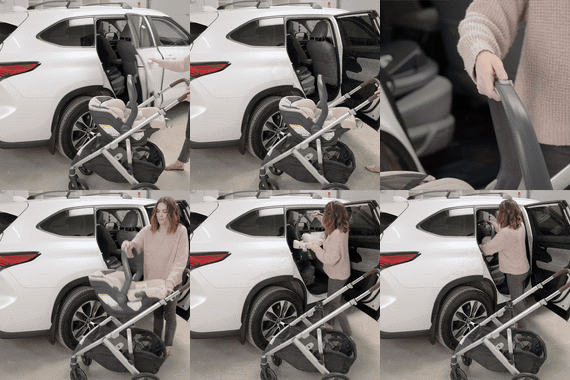
Think about the adult who will do the most lifting. A seat can be technically excellent and still be a poor daily match if the carry angle, door height, stairwell, or parking layout makes every trip feel strained.
If another caregiver will drive, choose the plan now. A second base, one primary vehicle, or a practiced base-transfer routine are all valid, but the answer should be deliberate before the first appointment arrives.
Do one more check after the seat is in the car: can the baby be buckled without twisting straps, can the canopy and handle be managed without rushing, and can the carrier be lifted out without bumping the door frame. These are not luxury details; they shape whether the routine stays calm.
If the answers are mixed, slow the purchase down before checkout. A different infant seat, a second base, or an earlier move to a convertible seat may be the better family decision even when the Liing itself is a strong product.
FAQ: Clek Infant Car Seat Liing buyer questions before choosing
Is Clek Liing a good infant car seat for Canadian parents?
It can be a strong choice when it fits your vehicle, your stroller plan, and the caregivers who will install and carry it. Check those details before deciding.
Should I choose an infant seat or a convertible car seat?
Choose an infant seat for early portability and stroller transfers. Consider a convertible seat if you want a longer-use seat and do not need the removable carrier routine.
Do I need a second base?
You may need one if two cars are used often. If not, decide whether moving the base is realistic or whether one vehicle will handle most baby travel.
What should I check before buying Liing?
Check rear-facing installation, recline, front-seat clearance, harness ease, stroller compatibility, carry weight, and the plan for the next car-seat stage.
For installation-sensitive gear, follow the product manual and use a qualified installation check when needed.
Related baby enRoute reading
- What Parents Need to Know Before Buying a Car Seat in Canada: Your Ultimate Guide (and Where to Get Expert Help in BC!)
- Your Ultimate Guide to Car Seat & Stroller Warranties (for Brands like UPPAbaby, Britax, & More!)
- The Ultimate Guide to Choosing the Perfect Baby Blanket in Canada
Product details can change: Check linked product pages for current colours, pricing, availability, and compatibility. Follow manufacturer instructions and official safety guidance when those apply.