In this article
A convertible car seat should be chosen after the family knows the vehicle, the child’s growth pattern, and the adult who will install and check the seat most often. Clek Convertible Car Seat Foonf should earn its place by making one repeated family routine easier, not by adding another object to manage.
Short answer: Choose the Foonf when rear-facing planning, sturdy installation, and long-term back-seat fit matter; consider a different path if your vehicle space, lifting needs, or caregiver setup makes a heavy convertible seat difficult.
Use this guide when the next step is a fixed convertible seat after an infant seat, not when the child has already reached booster planning. For vehicle-seat protection, Smart Elf Car Seat Protector 2Pack is a practical supporting product to consider after the car seat fit is settled.
Start with the child’s next seat stage
The Foonf enters the conversation when an infant seat no longer matches the child’s growth, comfort, or family routine. Some parents want to move because carrying the infant seat is no longer realistic; others need a car-seat setup that stays installed and supports rear-facing travel for longer. The important question is not whether the child looks big, but whether the next restraint stage fits the child, vehicle, and manuals.
Parents should avoid treating the convertible seat as an automatic birthday purchase. Weight, height, harness position, recline angle, and vehicle fit matter more than age alone. If the infant seat still fits correctly and the family values carrier convenience, waiting can be reasonable. If daily transfers are awkward and the child is ready for a fixed seat, a convertible model becomes more useful.

Vehicle fit is the real luxury feature
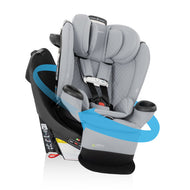
A sturdy seat is only helpful when it fits the back seat without creating a front-seat problem or a sibling-seat conflict. Before choosing the Foonf, check the primary vehicle, the second vehicle, the parking routine, and whether another car seat or adult passenger shares the row. The image of three seats across is not just marketing; it points to the practical back-seat questions parents should answer.
Rear-facing space can surprise families. The front passenger may lose leg room, the door angle may make buckling harder, or a grandparent vehicle may not match the main car. If more than one vehicle will use the seat, decide whether the Foonf lives in one car or whether a different second-seat strategy is needed.
Installation confidence should decide the purchase
A convertible car seat asks adults to install, tighten, adjust, and recheck with patience. The Foonf is most compelling for families who value a secure fixed setup and are willing to read the vehicle and car-seat manuals carefully. If the same adult will install once and keep the seat in place, the heavier build may feel worthwhile. If the seat will move constantly between cars, weight and transfer friction become more important.
Safety guidance still depends on correct use: harness snugness, chest-clip position, recline, tether rules where applicable, and avoiding bulky clothing under the harness. A premium seat does not remove those habits. It should make the correct routine easier for the adults who repeat it.

Think beyond the first week after switching
The first week after moving out of an infant seat can feel like a big upgrade, but the better test is six months later. Will the child still load calmly? Can caregivers tighten the harness without twisting straps? Does the vehicle row still work with bags, siblings, winter layers, and daycare pickups? A convertible seat is a long-term routine, not a one-week setup project.
Accessories should be practical rather than automatic. Seat protection or cleanup add-ons may help some vehicles, but the seat itself, correct installation, and daily buckling habits come first. Buy add-ons only when they solve a real vehicle or cleanup issue.
Buy the Foonf when these checks are true
- Your child is ready for a fixed convertible seat stage.
- The primary vehicle has been checked for rear-facing space and front-seat comfort.
- Caregivers are comfortable reading manuals and keeping installation habits consistent.
- The seat will mostly stay installed rather than move between cars every few days.
- Back-seat width, sibling seats, and future booster timing have been considered.
When to wait or compare another convertible car seat
Wait if the infant seat still fits correctly and carrier convenience is still solving daily life. Moving too early can remove a useful stroller-to-car routine before the family has a better replacement.
Compare another seat if the Foonf makes the front seat cramped, is too heavy for the caregiver who must move it, or does not fit the second vehicle that handles pickups. The safest seat is the one your family can install and use correctly every ride.
How to pressure-test the Clek Foonf decision
Park the vehicle where you normally load the child and imagine the worst weather day. If opening the door, buckling the harness, checking straps, and closing the door still feel manageable, the fixed-seat routine is more realistic.
Decide who owns installation. If one adult installs and another only buckles, both still need to know what correct use looks like. A quick handoff lesson can prevent daily shortcuts.
Measure the front-seat comfort after a rear-facing setup. A convertible car seat that protects the child but makes the adult passenger unsafe or miserable may not be the best fit for that vehicle.
Think about the next child or sibling row. If another car seat is likely within a year, back-seat width matters now. Buying only for today can create a second purchase sooner than expected.
How the Foonf fits the second car-seat chapter
The move after an infant seat changes the whole loading routine. Instead of clicking a carrier into a base, the child is lifted into a fixed seat, buckled, tightened, and checked while the car door is open. That is why vehicle height, parking space, winter clothing habits, and caregiver strength matter alongside the seat specifications.
Families should also think about who else sits in the back row. A convertible car seat may be perfect for one child and still complicate a three-across setup, a grandparent pickup plan, or the comfort of an older sibling. Planning that row early can prevent buying one excellent seat that forces another compromise soon after.
The Foonf is most persuasive when the family wants a stable installed setup and is not planning to move the seat constantly. If the seat has to travel between two vehicles several times a week, repeated installation may become the weak point, and a two-seat plan or lighter second seat may be safer in real life.
Final call on the Clek Foonf
The Clek Foonf is a strong choice for families who want a fixed, substantial convertible car seat and are ready to prioritize rear-facing planning, installation confidence, and back-seat layout. It is less ideal for families who need a light seat that moves often between vehicles.
Choose it when the decision sentence is clear: our infant seat stage is ending, our vehicle fit works, and we want a convertible seat that can stay installed correctly for the daily drive. That is a stronger reason than choosing only by fabric, brand familiarity, or a broad “best car seat” list.
FAQ: Clek Foonf convertible car seat decisions
How do I know it is time to move from an infant seat to the Foonf?
Check the infant seat limits, your child’s fit, and your daily routine. If the infant seat still fits and carrier convenience helps, you can wait; if the child is ready for a fixed seat and transfers are awkward, start comparing convertibles.
Should I buy one Foonf for each car or move it between vehicles?
Most families should treat a heavy convertible seat as a stay-installed seat. If two vehicles both handle regular pickups, compare whether a second seat is safer and calmer than repeated reinstallations.
What matters most when testing it in my vehicle?
Rear-facing space, front-seat comfort, door access, harness tightening, and whether other passengers or car seats share the row. Vehicle fit should come before colour or accessory choices.
Do I still need to check installation if the seat feels solid?
Yes. Always follow the car-seat and vehicle manuals, and recheck harness and installation habits regularly. A solid-feeling seat still has to be used correctly every ride.
Related baby enRoute reading
For a broader comparison across the range, read our Clek car seat buying guide.