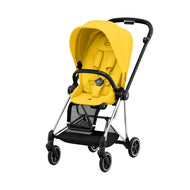



Canada Travel System Guide: How to Choose a Stroller and Infant Car Seat That Actually Work Together
If you are buying for a newborn, a travel system can either make daily outings feel easy or create a frustrating chain of adapters, heavy lifting, and second-guessing. The right choice usually comes down to four things: how often you drive, how often you carry the infant seat, how much space you have at home and in your trunk, and whether you want the cleanest possible setup or the most customizable one.
Short answer: choose a travel system if you expect frequent car-to-stroller transfers in the first six months. If most outings start on foot and you want longer walks from day one, a stroller with a newborn-ready bassinet or fully approved newborn setup can be the smarter first purchase.
Start with the routine, not the brand
- Choose the infant car seat first if most outings begin in the car and you want the safest, lowest-friction newborn setup first.
- Choose the stroller first if daily walks, condo storage, transit, or rough sidewalks will shape your routine more than short car transfers.
- Choose the adapter story early if you are mixing brands. That one detail can decide whether a setup feels seamless or annoying.
We recommend starting with our infant car seats and strollers only after you have answered one simple question: Will this setup mostly solve car transfers, daily walks, or both?

When a travel system is worth buying
A travel system is usually worth it when you expect frequent short trips: daycare drop-offs, appointments, errands, winter parking-lot transfers, and any routine where moving a sleeping baby without unbuckling them matters. It is also worth it if grandparents or multiple caregivers will use the same gear, because a simpler click-in path reduces avoidable mistakes.
When a travel system may be the wrong first answer
If you rarely drive, live in a walkable area, or care more about long neighbourhood walks than quick transfers, you may get more value from a stroller with a bassinet or other newborn-approved configuration. In that situation, the regular stroller experience matters more than the infant seat click-in moment.
Three shopping paths that usually make sense
1. You want the easiest one-brand path
If your goal is to reduce compatibility stress, staying inside one brand family is often the cleanest move. Our Peg Perego travel-system guide is a strong example of that logic: start with the infant seat and chassis path, then add the stroller seat when longer seated walks matter more. You can also browse the Peg Perego lineup if you want a coordinated system with fewer moving parts.
2. You want a premium grow-with-family stroller path
If basket size, everyday push, and future flexibility matter most, the UPPAbaby lineup is often where parents narrow the decision. Our current UPPAbaby guidance points out that Vista and Cruz can be the simplest single-stroller path when paired with an UPPAbaby infant seat, while smaller strollers like Minu need setup-specific planning. If you are comparing those paths, read our UPPAbaby adapter compatibility guide before checkout.
3. You want to mix brands carefully
Mixed-brand travel systems can be excellent, but only when the compatibility story is confirmed first. That means matching the exact stroller, exact infant seat, exact adapter, and exact stroller generation before you buy. If you are mixing for a lighter carrier, a better stroller push, or a tighter fold, treat the adapter as part of the core purchase rather than an afterthought.
What usually makes a travel system feel annoying in real life
- The infant seat is too heavy once baby gains weight.
- The stroller fold is too large for the trunk you actually use.
- The stroller is great outdoors but awkward for stairs, tight shops, or transit.
- The setup needs extra adapters you did not plan for.
- The stroller seat becomes important fast, but the original purchase decision focused only on the newborn phase.
That is why the best travel-system buy is rarely the one with the nicest spec sheet. It is the one that creates the least friction in your actual week.
FAQ: buyer questions we hear most often
Do I actually need a travel system if I mostly walk?
Usually not. If most outings begin from home on foot, put more weight on stroller comfort, newborn walk readiness, storage, and push quality. A travel system helps most when you are regularly moving between car seat and stroller frame.
Should I buy the stroller or the infant car seat first?
If your baby will ride in the car often right away, buy the infant car seat first and confirm vehicle fit first. If daily walks, small storage, or transit matter more than driving, choose the stroller platform first and make sure the newborn setup is approved for the stage you need.
Is a lighter infant car seat worth paying more for?
Often yes, especially if you carry the seat up stairs, across parking lots, or into daycare often. Weight feels very different once you add a growing baby, blanket, and diaper bag. If carrying is a big part of your routine, paying for a lighter seat can change daily usability more than a small stroller feature upgrade.
Can my newborn ride in the regular stroller seat?
Usually not right away. For most families, the safer early-stage options are the infant car seat attached correctly for travel use, a bassinet, or the manufacturer-approved newborn configuration for that stroller. Do not assume every stroller seat is newborn-ready just because it reclines.
Are adapters safe?
Yes, when they are manufacturer-approved for the exact stroller and exact car seat you are using, and when all instructions are followed. The mistake is assuming brand family alone is enough. Exact model matching matters.
What is the smartest travel-system buy for a first baby if we are trying not to overbuy?
Start with the part that solves your first six months best: a safe infant seat that fits your vehicle, plus the stroller path that matches your real terrain and storage. That usually beats buying every accessory up front. Once your routine is proven, add only what you are actually missing.
Our practical buying checklist
- Confirm the infant seat is appropriate for use in Canada and fits your vehicle well.
- Decide whether your first priority is car transfer convenience or longer walking comfort.
- Measure trunk and storage space before choosing a larger stroller frame.
- Check whether your setup is direct-attach or adapter-dependent.
- Think ahead to when the stroller seat—not the infant seat—will become the main part of the routine.