In this article
Feeding a baby evolves faster than most parents expect. What starts with bottles and careful formula measurement gradually shifts to purees, then finger foods, then a toddler insisting on using a fork. For Canadian families navigating this progression, having the right tools at each stage makes the transition smoother — and less messy.
Stage One: Bottle Feeding Foundations
Whether you're exclusively bottle-feeding or supplementing breastfeeding, the bottle feeding setup shapes your daily rhythm for months. The core decisions are bottle material (glass vs. plastic), nipple flow rate, and how you'll sterilize.
Retailer Insight: Our team frequently fields questions about anti-colic bottle systems. The honest answer is that different babies respond to different bottle shapes and nipple designs. Starting with a small set and observing your baby's comfort before committing to a full collection is a practical approach we often recommend to families across Canada.
Bottles and Nipples

Glass bottles are durable and easy to clean but heavier. Plastic (BPA-free) bottles are lighter and less breakable — a practical advantage once babies start holding their own bottles. Nipple flow rates progress from slow (newborn) to fast (6+ months); switching too early can cause gulping, while switching too late can frustrate a hungry baby.
Sterilizing and Warming

Steam sterilizers handle the hygiene side efficiently, especially in the early months when immune systems are still developing. Bottle warmers are convenient but not essential — a bowl of warm water does the same job. The choice often comes down to how many bottles you're preparing daily and how much counter space you're willing to dedicate.
Stage Two: Introducing Solids
Around 6 months, most families begin introducing solid foods. This stage requires a different set of tools: a reliable high chair becomes the centerpiece, and food preparation tools enter the picture.
Choosing a High Chair

High chairs range from compact clip-on seats to full wooden designs that grow with your child. The key factors are tray removability (for cleaning), footrest adjustability (supporting proper posture), and how well the chair cleans up after the inevitable mess. Some models from brands like Stokke and Nomi convert from infant to school-age seating — a longer investment that many Canadian families find worthwhile.
Food Preparation

Food prep tools for baby food range from simple hand-crank mashers to all-in-one steam-and-blend systems. If you plan to make baby food at home regularly, a steam-and-blend unit saves significant time. For occasional homemade batches, a regular blender and steamer pot work fine. The decision is about frequency, not quality — store-bought and homemade baby food both serve families well.
Stage Three: Self-Feeding and Tableware
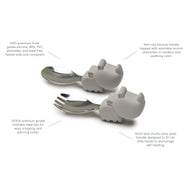
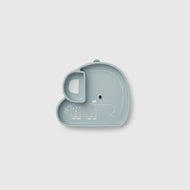
The transition from being fed to self-feeding is exciting and spectacularly messy. This stage calls for dishes and utensils designed for small hands — suction-base bowls that resist flipping, soft-tipped spoons that are gentle on gums, and divided plates that keep foods separate for picky eaters.
Materials Matter

Silicone tableware dominates this category for good reason: it's soft, durable, dishwasher-safe, and survives drops. Bamboo options offer a more natural aesthetic. Stainless steel bowls are nearly indestructible. Each material has merits; the main thing is avoiding ceramics and breakable glass at this stage.
In-Store Observation: The Clean-Up Test
When parents shop for feeding gear in our store, the questions almost always circle back to cleaning. How many parts does this bottle have? Does this high chair tray go in the dishwasher? Can I wipe this bib clean or does it need laundering? Our buying team evaluates clean-up effort as a first-tier criterion because it directly impacts whether you'll actually use the product daily. Shipping is available nationwide for families across Canada who prefer to shop from home.
Building a Feeding Kit That Grows
Rather than buying everything at once, consider building your feeding setup in stages that match your baby's development:
- Months 0-5: Bottles, sterilizer, burp cloths
- Months 6-8: High chair, first spoons, suction bowls, food prep tools
- Months 9-12: Sippy cups or straw cups, finger food trays, divided plates
- 12+ months: Toddler utensils, open cups for practice, snack containers
This staged approach avoids waste and lets you choose based on what your child actually needs, not what a registry checklist suggests.
Frequently Asked Questions About Baby Feeding Gear
How many bottles do I need to start with?
Most families find 4-6 bottles sufficient for a newborn. This allows enough for a full day's rotation while some are being washed or sterilized. If your baby takes to a particular bottle well, you can expand the collection later.
When should I introduce a sippy cup?
Many pediatric guidelines suggest introducing an open cup or straw cup around 6 months alongside solid foods. Sippy cups with spill-proof valves are convenient, but transitioning directly to straw cups can support oral development. Either approach works — consistency matters more than cup style.
Is an expensive high chair worth it?
Higher-priced high chairs typically offer longer usability (infant through school age), better build quality, and easier cleaning. If you plan to use the chair for multiple children or several years, the per-year cost often works out favorably. For families needing a temporary solution, a compact booster seat on a dining chair is a budget-friendly alternative.
Do I need a dedicated baby food maker?
A dedicated baby food maker (steam-and-blend) is convenient for daily homemade food prep, but it's not essential. A regular steamer and blender accomplish the same result. The dedicated unit saves time and dishes, which matters more for families who plan to make most meals from scratch.
What's the best way to clean silicone tableware?
Most silicone feeding products are top-rack dishwasher safe. For stains (common with tomato-based foods), soaking in a baking soda solution or placing in direct sunlight for a few hours helps. Silicone is naturally resistant to bacteria growth, making it a low-maintenance choice for daily use.
Related baby enRoute reading
- Age-Appropriate Toys: A Developmental Guide from Infant to Preschool
- Quark baby food prep guide: processor, freezer tray, containers, or feeding set?
- Hegen straw spout or all-rounder cup: a parent guide to the bottle-to-cup transition
Product details can change: Check linked product pages for current colours, pricing, availability, and compatibility. Follow manufacturer instructions and official safety guidance when those apply.