In this article
A useful carrier comparison begins with three facts: the child’s current height, weight and development; the adults who will wear it; and the outing where it will be used most. Brand reputation cannot answer those fit questions for a specific model.
Map child, wearer and outing
| Decision | Record before shopping | Test on the exact model |
|---|---|---|
| Child | Current height, weight, age and ability to hold position. | Approved minimums, maximums and permitted carry positions in the manual. |
| Wearer | Torso, waist placement, shoulder mobility and whether caregivers share. | Buckle reach, strap range and whether adjustment marks are repeatable. |
| Outing | Indoor settling, short errands, transit, long walks or hiking. | Setup time, storage, layers, heat and the items that still need carrying. |
Readiness is more than age
Start with the instructions for the exact model and carry position. Height, weight and age limits are only part of the rule: head and neck control and the carrier’s required setup can decide whether a later position is appropriate.
That distinction is visible in current models. The BabyBjörn Mini is designed around early-stage front carrying; see the maker’s current Mini details. The Ergobaby Omni Deluxe Mesh adds later carry positions with position-specific requirements. For the exact limits and readiness differences, use the Mini versus Omni Deluxe comparison with the BabyBjörn guidance and current Omni Deluxe manual open.
Perform a fit sequence
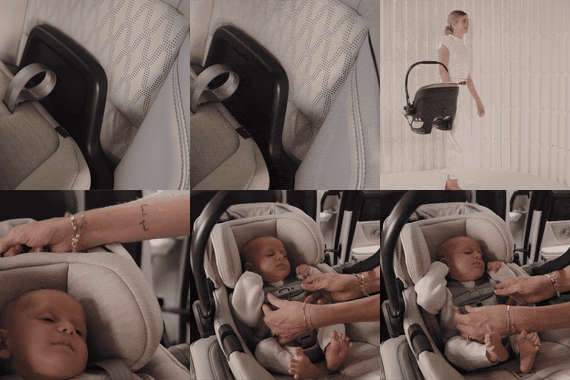
- Set the carrier for the child’s size and permitted position before placing the child inside.
- Position and tighten the waist or torso support where the manual directs.
- Support the child while fastening and adjusting each buckle or strap.
- Confirm the child’s face remains visible, the chin is off the chest and the body stays upright.
- Have every regular wearer repeat the setup from the instructions before relying on it outdoors.
Health Canada’s carrier guidance says to check the child often, keep the face visible with the chin off the chest, use the right size and stop activities such as running, cycling and handling hot food while carrying. It also says to move a sleeping baby to a crib, cradle or bassinet at the destination.
Decide what must be adjustable
For one wearer, a dialled-in setup may matter more than rapid sharing. For two very different wearers, count the adjustments required and record the correct settings. For transit, practice removing the carrier without placing the child on an unsafe surface. For a long walk, include the bag you must still carry; a carrier does not create cargo space.
Do not cover the child’s face with an adult coat or add unapproved inserts. Recheck fit as the child grows and when thick clothing changes the space inside the carrier. Retire the carrier if webbing, buckles, seams or labels are damaged.
Compare the carrier selection with the exact manuals open. The useful choice is the one whose permitted position, adjustment process and outing trade-offs every regular wearer understands and can reproduce.