




































We are a premium maternity and baby store focused on enhancing the parenting journey. We offer expert advice and a curated selection of products designed to support and inspire families at every stage.
TOYS & LEARNING
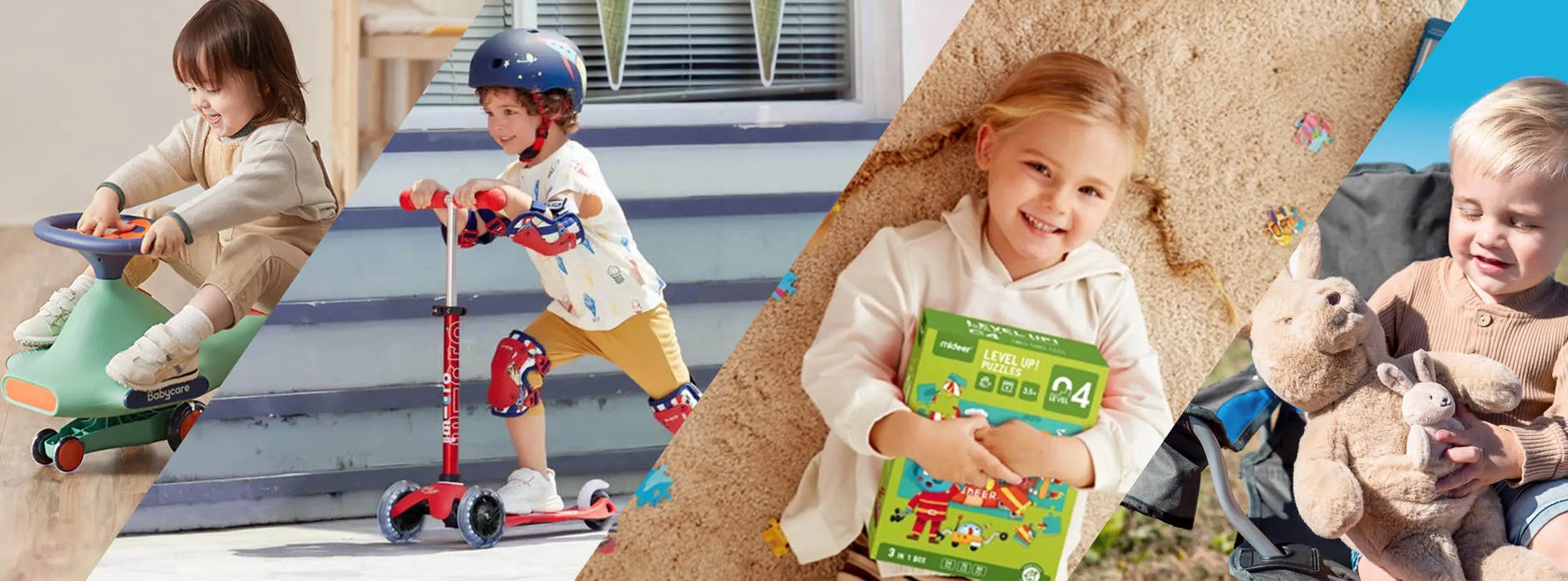
Shop our TOYS & LEARNING products below
0
0 / total reviews: ()
5
1 / 5.0total reviews: (1)
5
1 / 5.0total reviews: (1)
0
0 / total reviews: ()
0
0 / total reviews: ()
0
0 / total reviews: ()
0
0 / total reviews: ()
0
0 / total reviews: ()
0
0 / total reviews: ()
0
0 / total reviews: ()
0
0 / total reviews: ()
5
1 / 5.0total reviews: (1)
0
0 / total reviews: ()
0
0 / total reviews: ()
0
0 / total reviews: ()
0
0 / total reviews: ()
0
0 / total reviews: ()
0
0 / total reviews: ()
5
1 / 5.0total reviews: (1)
0
0 / total reviews: ()
0
0 / total reviews: ()
0
0 / total reviews: ()
0
0 / total reviews: ()
0
0 / total reviews: ()
0
0 / total reviews: ()
Save $60.00
0
0 / total reviews: ()
SALE
Sale price
$39.99 CADRegular price
$99.99 CAD
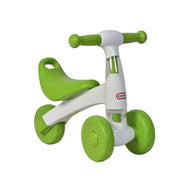
Little Tikes 3-in-1 Ride on Tricycle Scooter
LITTLE TIKES
0
0 / total reviews: ()
0
0 / total reviews: ()
0
0 / total reviews: ()
0
0 / total reviews: ()
0
0 / total reviews: ()
5
1 / 5.0total reviews: (1)
0
0 / total reviews: ()
0
0 / total reviews: ()
0
0 / total reviews: ()
Toys for Building, Creating & Everyday Play
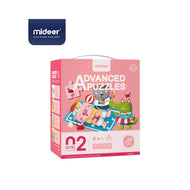
Explore toys and activities for different ages and interests at baby enRoute, from infant activity toys to puzzles, building sets, art materials and outdoor play. Choose by the way your child likes to play as well as the manufacturer's age guidance.
Find the right kind of challenge
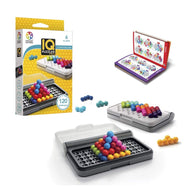
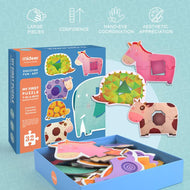
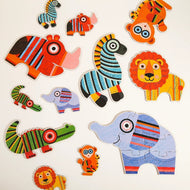
- Puzzles and problem-solving: Compare piece size, complexity and whether an activity is designed for solo or shared play.
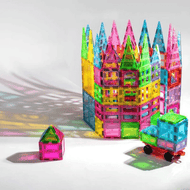
- Building and pretend play: Look at the included pieces, space needed and opportunities to build or invent different scenes.
- Art and outdoor activities: Check setup, cleanup, storage and any protective equipment required before choosing.
Age labels and care matter
Read each toy's age recommendation, warnings and assembly instructions. Supervise play, keep small parts away from younger children and regularly check for loose or damaged pieces. Material alone does not tell you whether a toy is suitable for a particular child; compare the complete design, intended use and care instructions rather than assuming wood or plastic is always the better choice.
For a focused challenge, explore logic puzzles and STEM learning activities. To choose fewer toys that are easier to use and put away, read how to build a small screen-free toy rotation.