




































We are a premium maternity and baby store focused on enhancing the parenting journey. We offer expert advice and a curated selection of products designed to support and inspire families at every stage.
TODDLER TOYS

Shop our TODDLER TOYS products below
0
0 / total reviews: ()
Save $35.00
0
0 / total reviews: ()
0
0 / total reviews: ()
0
0 / total reviews: ()
0
0 / total reviews: ()
0
0 / total reviews: ()
0
0 / total reviews: ()
0
0 / total reviews: ()
0
0 / total reviews: ()
0
0 / total reviews: ()
0
0 / total reviews: ()
0
0 / total reviews: ()
0
0 / total reviews: ()
0
0 / total reviews: ()
0
0 / total reviews: ()
0
0 / total reviews: ()
0
0 / total reviews: ()
0
0 / total reviews: ()
0
0 / total reviews: ()
0
0 / total reviews: ()
0
0 / total reviews: ()
0
0 / total reviews: ()
0
0 / total reviews: ()
0
0 / total reviews: ()
0
0 / total reviews: ()
0
0 / total reviews: ()
0
0 / total reviews: ()
0
0 / total reviews: ()
0
0 / total reviews: ()
0
0 / total reviews: ()
0
0 / total reviews: ()
0
0 / total reviews: ()
0
0 / total reviews: ()
0
0 / total reviews: ()
0
0 / total reviews: ()
Imitative Play: Rehearsing Real Life
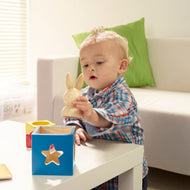
Toddlerhood is the age of imitation. Play at this stage is about rehearsing the routines observed in the adult world, from cooking dinner to fixing cars. baby enRoute curates role-play ecosystems from Janod and Hape, featuring realistic wooden kitchens, workbenches, and musical instruments. These tools allow children to practice social roles and refine fine motor skills through "serious play."
The Logic of "Loose Parts"
A well-designed toddler toy often lacks a predefined script. Instead of a toy that performs a single trick, we prioritize sets with "loose parts"—like wooden fruit that can be sliced or tool sets with interchangeable bolts. This encourages narrative thinking, where the child must invent the story and the problem to be solved.
Fine Motor Refinement
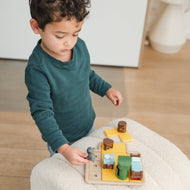
Between ages 2 and 3, hand-eye coordination accelerates. Toys like lacing beads or hammering benches provide the repetitive, precise movements needed to strengthen hand muscles. This physical preparation is the precursor to holding a pencil and performing self-care tasks like buttoning a shirt.
Frequently Asked Questions
Q: What should I compare when choosing a play kitchen?
Compare the dimensions, play height, included pieces and cleaning instructions. Follow the manufacturer's assembly and anti-tip directions where supplied; weight or wood construction alone does not guarantee stability.
Q: How do I choose a musical toy for shared spaces?
Compare the sound in person when possible, or check for volume controls and a mute option. Acoustic and electronic toys can both vary in loudness; choose the instrument or play format that fits your household.