





































We are a premium maternity and baby store focused on enhancing the parenting journey. We offer expert advice and a curated selection of products designed to support and inspire families at every stage.
SHOES

Shop our SHOES products below
0
0 / total reviews: ()
5
1 / 5.0total reviews: (1)
0
0 / total reviews: ()
0
0 / total reviews: ()
Save $22.50
0
0 / total reviews: ()
0
0 / total reviews: ()
0
0 / total reviews: ()
0
0 / total reviews: ()
0
0 / total reviews: ()
0
0 / total reviews: ()
0
0 / total reviews: ()
0
0 / total reviews: ()
0
0 / total reviews: ()
0
0 / total reviews: ()
0
0 / total reviews: ()
0
0 / total reviews: ()
0
0 / total reviews: ()
0
0 / total reviews: ()
0
0 / total reviews: ()
0
0 / total reviews: ()
0
0 / total reviews: ()
0
0 / total reviews: ()
0
0 / total reviews: ()
Save $9.90
0
0 / total reviews: ()
0
0 / total reviews: ()
0
0 / total reviews: ()
0
0 / total reviews: ()
0
0 / total reviews: ()
0
0 / total reviews: ()
5
1 / 5.0total reviews: (1)
0
0 / total reviews: ()
0
0 / total reviews: ()
0
0 / total reviews: ()
0
0 / total reviews: ()
0
0 / total reviews: ()
Footwear Mechanics: Supporting Natural Gait
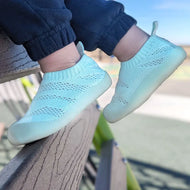
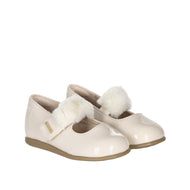
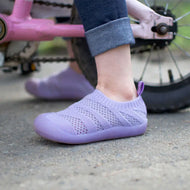
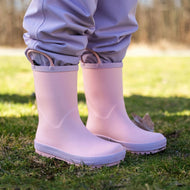
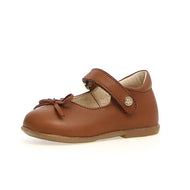
A child's shoe is a protective sheath for a developing structure. The bones in a toddler's foot are largely cartilage and fuse over time. Therefore, the engineering priority is flexibility. baby enRoute features footwear from Naturino and Biomecanics that mimics the barefoot experience. These designs utilize flexible rubber soles and wide toe boxes to allow the toes to splay and grip, which is essential for balance and arch development.
Sole Density: First Walkers vs. Runners
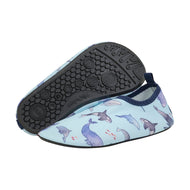
The rigidity of the sole must match the activity level. For first walkers, we recommend ultra-thin, rounded soles from Stride Rite that prevent tripping. For active school-aged kids, a denser outsole is required to provide shock absorption on pavement without compromising the foot's natural flex points.
Closure Systems
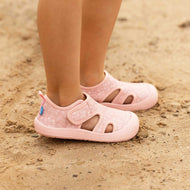
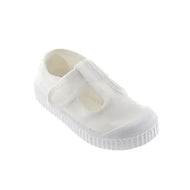
Independence is a key factor in shoe selection. Velcro (hook-and-loop) closures are the preferred direction for this age group. They allow children to secure their own shoes, fostering autonomy, and offer a level of adjustability for high insteps that slip-on shoes cannot provide.
Frequently Asked Questions
Q: How much growing room should I leave?
A: Scenario: Fitting new shoes.
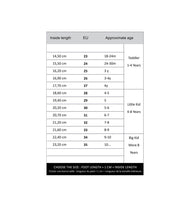
Recommendation: Aim for about a thumb's width (1 cm) at the toe.
Reason: This allows for growth and the natural forward slide of the foot during walking, without causing the child to trip over excessive length.
Q: Are high-tops better for ankle support?
A: Scenario: New walkers.
Recommendation: Not necessarily; ankle mobility is important.
Reason: While high-tops keep the shoe on securely, the ankle needs to move freely to build strength; look for stability in the heel cup rather than restricting the joint.