






We are a premium maternity and baby store focused on enhancing the parenting journey. We offer expert advice and a curated selection of products designed to support and inspire families at every stage.
Postpartum Recovery Essentials

Shop our Postpartum Recovery Essentials products below
Loading...
Postpartum Care for Everyday Comfort and Hygiene
Prepare for daily routines after birth with cleansing supplies, absorbent products, body care and support garments. Explore options from Frida, Minois Paris and other care brands at baby enRoute. Choose items for their intended use and follow your maternity team's recovery advice.
Cleansing and Absorbent Supplies
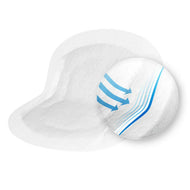
A peri bottle, perineal-care product, liner and nursing pad each serve a different purpose. Check the application area, directions, absorbency and pack contents before buying. A nursing pad is for milk leakage; it is not a substitute for a postpartum pad.
Abdominal Support Garments
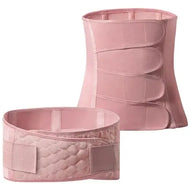
Compare belly wraps by size, adjustment and the manufacturer's instructions. These garments are not interchangeable with medical post-operative supports. If you have had a C-section or need advice about compression, ask your care team whether a particular garment is appropriate and when to use it.
Frequently Asked Questions
What should I compare in postpartum pads and underwear?
Look at the intended use, absorbency, size, waistband and whether the item is disposable or washable. Check what your hospital provides before packing, and follow your care team's instructions for your recovery.
Is every belly band suitable after a C-section?
Do not assume so from the product name. Ask your care team about the specific garment and follow both their guidance and the product instructions.