In this article
Why The Materials Story Matters
Black+Blum feels different because the brand is trying to make reusable food gear that people will actually keep using. That sounds simple, but it is the hardest part of lower-waste meal prep. A container that leaks, stains badly, lacks a fork, or fails to fit a lunch bag often gets replaced by disposable packaging. The stronger purchase is the item that survives the normal week: fridge, commute, school bag, office microwave, park bench, sink, drying rack, and back again.
Black+Blum says its products are designed in London and built around durable materials for repeated use. In this Canada lineup, that shows up in 304/18-8 stainless steel, BPA-free polypropylene, silicone seals, a recycled PET lunch-bag outer fabric, and reusable cutlery. The visible result is a collection that can be bought as one container or built into a full lunch system from the Lunch Bag 6.7L to the Cutlery Set and Case.

Stainless Steel: Durability With Different Jobs
Black+Blum's material guide highlights 304/18-8 stainless steel for durability, corrosion resistance, recyclability, and long-term use. But the buyer still has to read the product role. The microwavable steel boxes and bowls are engineered for microwave use. The regular stainless steel lunch boxes are not microwave containers. Both can be good purchases; they simply solve different problems.
| Material / Build Choice | Where It Appears | Buyer Meaning |
|---|---|---|
| 304/18-8 stainless steel | Stainless Steel Lunch Box and microwavable steel containers | Durable food contact, long service life, and a sturdier feel than disposable or thin plastic containers. |
| BPA-free polypropylene and silicone | Microwavable steel lids and Original Lunch Box components | Practical sealing, venting, visibility, and lighter parts where steel alone would not do the job. |
| Recycled PET outer fabric | Lunch Bag 6.7L | A tough, wipeable carry piece that gives reused plastic bottles a daily second job. |
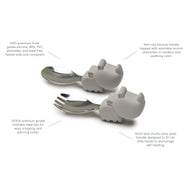
| Reusable stainless cutlery | Cutlery Set and Case | A small habit change that reduces disposable forks and spoons. |
Lower Waste Is A Routine, Not A Claim
Black+Blum connects its sustainability story to food waste as well as packaging. The brand says food waste is responsible for 8 to 10 percent of greenhouse gas emissions and that it contributes 1 percent of sales toward food-waste charities. For a buyer, the practical part is meal prep: leftovers become easier to store, carry, and eat when the container seals, stacks, and reheats in the way the household needs.
A reusable product earns its place when it replaces a repeated disposable choice or prevents a packed meal from becoming takeout. A durable lunch box used twice a year is not a strong sustainability story. A container used four days a week for leftovers is.
The Best Material Fit By Buyer
- Choose Stainless Steel Lunch Box 600ml or 1L when the priority is a plastic-free main box for cold, room-temperature, oven, or freezer use.
- Choose Microwavable Steel Food Box Set S/M/L when the priority is reheatable leftovers with durable steel bases.
- Choose Original Lunch Box 1L when the priority is organized lunch sections and a lighter bento-style format.
- Choose Lunch Bag 6.7L when the priority is carrying the full routine with a wipeable, insulated, recycled-PET bag.
- Choose Cutlery Set and Case when the family wants to stop relying on disposable utensils.
How To Decide If It Is Worth It
Families comparing Black+Blum in Canada often want a yes-or-no answer, but the tradeoff matters. The collection is worth considering if the family packs lunches often, values long-use materials, and will follow care instructions. It is less compelling for a household that wants the cheapest container for occasional use or a product that can ignore food-safety basics.
For practical next steps, read the buying overview if you are new to the brand, the microwave-safe steel guide if reheating is the question, and the lunch-system guide if school or work packing is the real problem.
What The Materials Story Should Help You Decide
Material language can easily become vague, so the useful question is practical: what will this material change about the lunch? Stainless steel changes durability and food-contact feel. Silicone changes sealing. Polypropylene can make a vented lid lighter and more functional. Recycled PET changes the bag story by turning a tough outer fabric into part of the reuse system. The buyer does not need a chemistry lecture; the buyer needs to know which material solves which daily annoyance.
That is also why Black+Blum's use of plastic should be described carefully. The brand is not pretending plastic never has a role. In several products, plastic or silicone is used because a lid, seal, case, or vent needs properties that steel alone would not provide. The better sustainability question is whether the part is durable, cleanable, and used repeatedly, not whether every component belongs to one material family.
For families asking whether Black+Blum is worth it, the answer depends on use frequency. A premium reusable lunch product makes sense when it replaces disposable bags, takeout containers, or a string of cheap containers that crack, leak, or disappear. It makes less sense when the family rarely packs food. The materials story is strongest when it is tied to a repeated behaviour.
- Choose steel for durability and long-term food-contact confidence.
- Choose the microwavable steel range only when reheating is a repeated need and the microwave rules will be followed.
- Choose the lunch bag when the reusable system needs cold support and a defined carry space.
- Choose cutlery when the family wants to remove disposable utensils from the lunch routine.
- Choose fewer, better-matched pieces before buying the whole collection.
The final test is whether the product returns to the bag tomorrow. If it is easy to clean, easy to find, and clearly better than the disposable fallback, it has a chance to become a habit. That habit is where the lower-waste promise becomes credible for a real household.
Durability Is Also A Parenting Feature
Parents often evaluate lunch gear differently after a few months of use. The first impression is colour, shape, and price. The later judgment is whether the seal still works, whether the lunch bag smells clean after wiping, whether the fork is still with the set, whether the box survives being dropped, and whether the child or adult still reaches for it. Materials matter because they shape that later judgment.
Stainless steel brings a sturdy, long-use feel, but it also asks the buyer to know the product role. Polypropylene and silicone can be the right materials when a lid needs visibility, venting, and sealing. Recycled PET makes sense for a lunch bag because the job is carry, wipeability, and repeated outdoor use. The point is not to rank one material as morally perfect. The point is to match material to job and use the product often enough for reuse to matter.
The practical answer is specific: Black+Blum is worth a look when the family wants durable, reusable lunch gear and is willing to follow the care rules. It is not magic, and it is not automatically the right purchase for every household. That honesty is what makes the brand story more credible.
For a real household, the strongest material is the one that gets used again tomorrow. A stainless box, a vented lid, a recycled-fabric bag, and a cutlery case each matter only when they reduce friction in the meal routine. That practical lens keeps the brand story connected to daily use.
FAQ
What materials does Black+Blum use?
This lineup uses materials such as 304/18-8 stainless steel, BPA-free polypropylene, silicone, recycled PET fabric for the lunch bag, and stainless steel cutlery, depending on the product.
Is Black+Blum sustainable?
It is best described as reusable, durability-focused lunch gear with a food-waste commitment. The sustainability value depends on repeated use, meal prep, and replacing disposable packaging.
Which Black+Blum product has recycled PET?
The Lunch Bag 6.7L uses a recycled PET outer fabric and a wipeable interior.
Does stainless steel mean microwave-safe?
No. The material alone is not enough. Use only the products designed for microwave use, such as the Microwavable Steel Food Box Medium.
Further Reading
- Black+Blum brand history and design philosophy
- Black+Blum materials guide
- Black+Blum sustainability and food-waste commitments
- Health Canada safe school lunches
The linked Black+Blum listings show the current Canada assortment for each reusable lunch piece.
Related baby enRoute reading
- Black+Blum in Canada: What To Buy Now for School, Work, and Family Lunches
- Black+Blum Lunch Box Comparison: Original, Stainless Steel, Microwavable Steel, or Food Flask?
- Leakproof Lunches for School, Camp, and Work: Building a Black+Blum Lunch System
Product details can change: Check linked product pages for current colours, pricing, availability, and compatibility. Follow manufacturer instructions and official safety guidance when those apply.